
Potting & Soil Mixes
Succulent Potting Mix
The short answer
A succulent potting mix is a fast-draining blend, usually regular potting soil cut with perlite, pumice or coarse sand so water runs through in seconds instead of pooling around the roots.
Last updated September 2026
| What makes it "succulent" mix | High mineral content (perlite, pumice, coarse sand) blended into a base potting soil so water drains fast |
|---|---|
| Typical ratio | Roughly 1 part mineral material to 2–3 parts potting soil, adjusted for how dry-loving the plant is |
| What to avoid | Straight garden soil, moisture-retaining mixes with heavy peat or added water-retention crystals |
| Signs your mix drains well | Water runs out the drainage hole within a few seconds of watering, and the surface dries within 1–3 days |
Scroll for more →
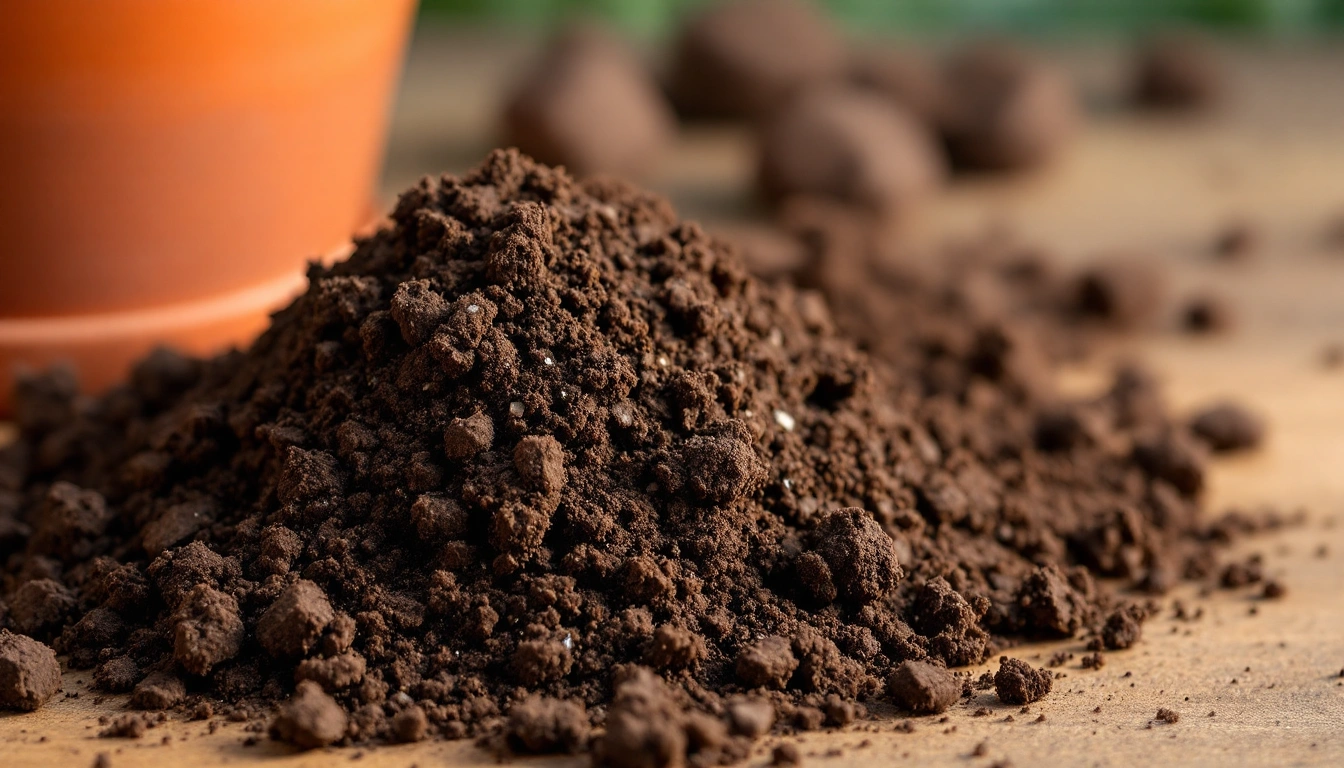
What's covered9
Succulent potting mix must drain fast. It should also leave air near the roots. This guide shows how to choose or make it.
- Succulents and cacti rot when their roots sit in wet soil too long, and the single biggest cause of that is a potting mix that holds too much water. A succulent potting mix solves this by cutting regular potting soil with a mineral material - perlite, pumice or coarse sand - so water runs through fast instead of pooling.
What actually makes a mix "for succulents"
There is no single recipe. A useful mix combines:
A base of potting soil for some organic content and structure.
A mineral component - perlite, pumice, or coarse sand - that creates air gaps and prevents the mix from compacting into a water-holding block.
A common starting ratio is one part mineral material to two or three parts potting soil, then adjusted looser (more mineral) for very dry-loving plants like lithops or true desert cacti, and slightly richer (more soil) for softer-leaved succulents like echeveria that still want occasional real watering.
How to tell if your mix is working
Water the plant and watch the pot:
- Water should run out of the drainage hole within a few seconds, not minutes.
- The surface of the mix should look and feel dry again within one to three days for most home conditions.
- After a few months, the mix shouldn't have compacted into a dense, muddy layer - if it has, the organic portion has broken down and it's time to repot into fresh mix.
Buying a bagged mix vs. building your own
A bagged "cactus and succulent" potting mix is the simpler option and works for most houseplant succulents straight out of the bag. Building your own from potting soil plus perlite or pumice costs less per pot if you're repotting a lot of plants, and lets you adjust the ratio for specific plants.
A bagged cactus and succulent potting mix is the fastest way to start if you only have a handful of plants to repot.
What to avoid
- Straight garden soil - it's too dense and compacts around succulent roots.
- Mixes marketed for moisture retention - anything advertising water-retention crystals or heavy peat works against drainage.
- Old, compacted mix - potting mixes break down over a year or two of watering; a mix that used to drain well can stop draining well without changing anything else.
Going deeper
- For the individual mineral components, see the perlite and what is perlite guides. For a specific product-led comparison of pre-mixed drainage media, see LECA.
Adjusting the mix for your home
- Start with the basic ratio, then change one part at a time. Add more perlite or pumice if the pot stays wet for many days. Add a little more base mix if water runs straight through and the plant dries too fast.
- A plastic pot loses less water through its sides than an unglazed clay pot. The same mix may stay damp longer in plastic, so judge the pot and mix as one system.
- Low light and cool rooms slow water use. Bright light, warm air, and active growth speed it up. Do not copy a ratio without checking how it behaves in your own room.
Repotting without trapping wet soil
- Remove loose old mix and inspect the roots. Cut away only dead, hollow, or mushy roots with a clean tool.
- Fill around the roots without pressing the new mix into a hard block. Tap the pot to settle loose grains, then leave the stem at its old planting depth.
- Water once and confirm that water leaves the drain hole. Wait for the mix to dry before the next watering instead of filling the pot again on a fixed date.
Keeping a mixed batch fresh
- Store unused succulent mix in a closed bag or bin in a dry place. Label a homemade batch with its ratio so you can repeat or change it later.
- Stir stored mix before use because fine and coarse parts can separate. Discard a batch that smells sour, contains pests, or has become a dense wet mass.
More soil and growing guides
Choosing a ready-made mix
- Compare potting mixes
- All-purpose potting mix
- Black Gold potting soil
- Cheap potting soil
- High-quality potting soil
- Lightweight potting soil
- Organic potting soil
- Potting soil on sale
- Well-draining potting soil
Matching the mix to the plant
- African violet potting mix
- Cacti and succulent potting mix
- Cactus mix for a snake plant
- Cactus potting soil
- Monstera potting mix
- Christmas cactus potting mix
- Mixes for indoor plants
- Choosing a mix for your plants
- Potting soil for vegetables
- Blending succulent and cactus media
Coir, peat, moss and bark
- Compare coco coir products
- Using coco coir
- Coco coir bricks
- Coir for hydroponics
- Coir potting mixes
- What coco coir is
- Peat moss or coco coir
- Peat moss in potting mixes
- Peat and sphagnum moss
- Live sphagnum moss
- Using sphagnum moss
- Sphagnum moss for orchids
- Orchid bark
- Orchiata orchid bark
Minerals and soil-free media
- Using perlite
- What perlite is
- Chunky perlite
- Mixing perlite with potting soil
- Perlite for potting
- Perlite in soil
- Perlite or vermiculite
- Pumice or perlite
- Growing in LECA
- LECA balls
- Soilless potting media
Making and keeping potting soil
- Make your own potting soil
- Garden soil or potting soil
- Mixing soil for pots
- Potting mix and potting soil
- Potting soil basics
- Can potting soil go bad?
Our picks in this topic
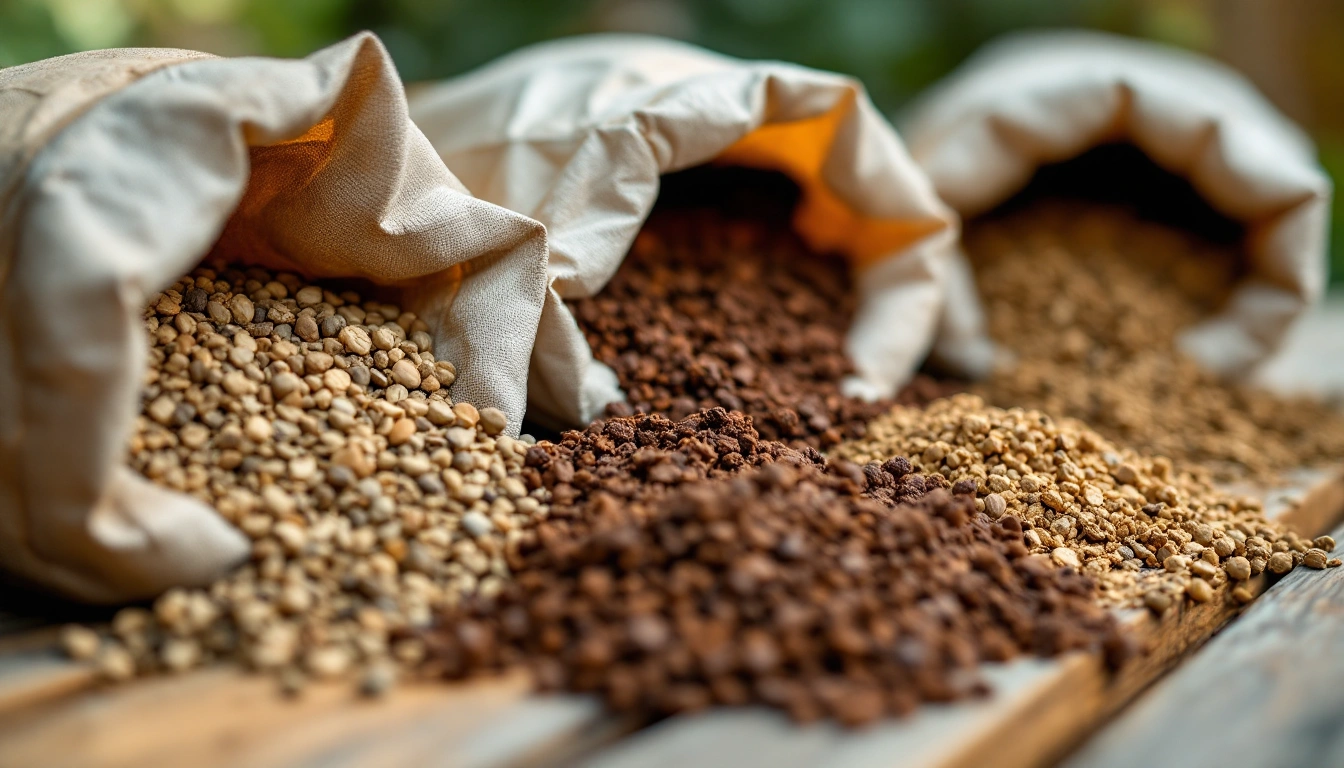
6 picks
6 Best Potting Mixes for Indoor and Outdoor Plants in 2026
Six potting mixes compared for indoor plants, outdoor containers, moisture control, organic growing and succulents.
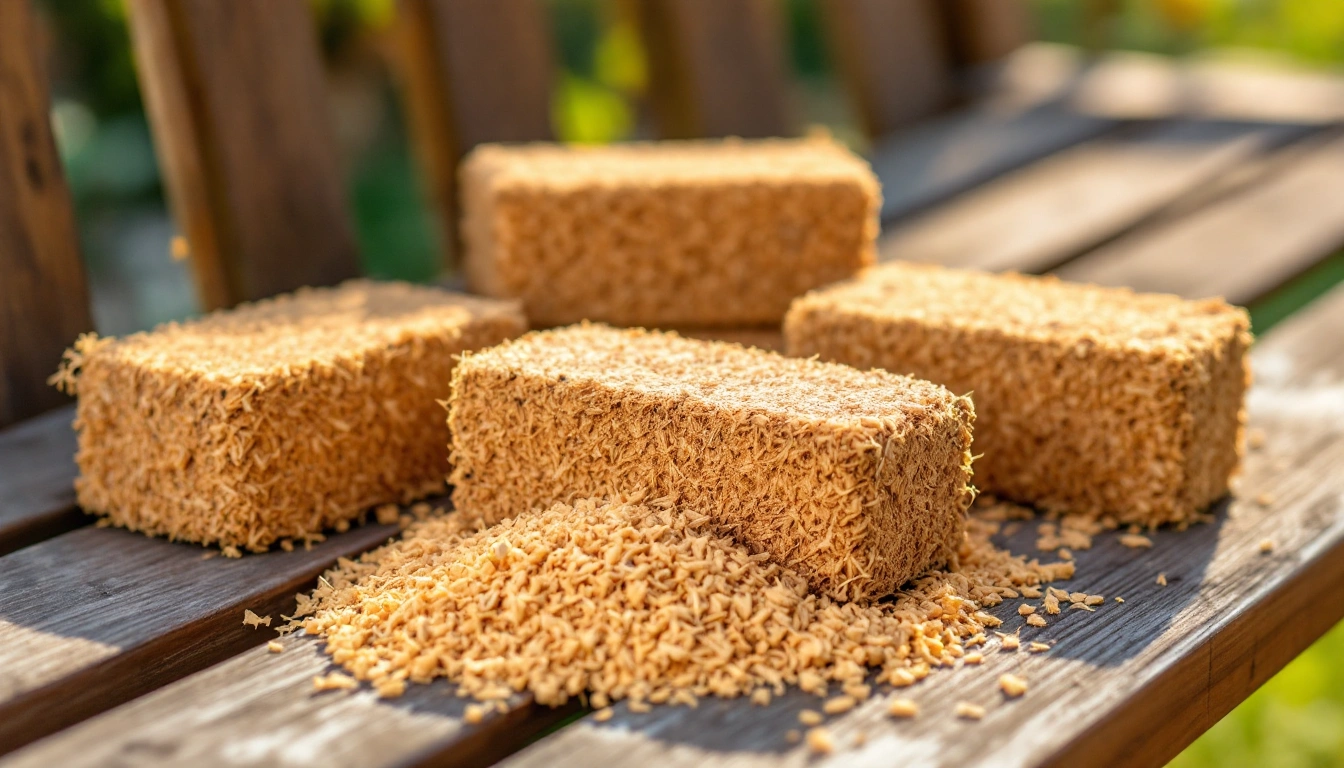
6 picks
6 Best Coco Coir Products for Potting and Growing in 2026
Six coco coir bricks and chips compared by finished yield, pack format, processing and the growing jobs each one suits.
FAQ
Can I use regular potting soil for succulents?
Not on its own. Regular potting soil is built to hold moisture, which is the opposite of what succulents need. Cut it with perlite, pumice or coarse sand - roughly one part mineral material to two or three parts potting soil - before using it.
What's the difference between cactus mix and succulent mix?
In practice, very little - most bagged "cactus and succulent" mixes are the same fast-draining blend and work for both. True desert cacti can handle an even leaner, sandier mix, but a standard succulent mix is fine for the vast majority of both groups.
Is perlite or pumice better for succulent mix?
Both work by creating air pockets that let water drain through. Pumice is heavier and less likely to float to the surface or wash out over time; perlite is lighter and cheaper. Either is fine for most home growers - pumice holds up slightly better over years of watering.
How do I fix a potting mix that's draining too slowly?
Repot into a fresh mix with more mineral material worked in, rather than trying to fix the existing mix in place. If you can't repot right away, hold off watering until the soil is fully dry and consider adding a layer of coarse material to the top to improve airflow.