
Potting & Soil Mixes
Sphagnum Moss: What It Is and How to Use It
The short answer
Sphagnum moss is a highly absorbent, dried plant material used for orchids, seed starting, and boosting moisture retention in potting mixes, and it's distinct from both peat moss and live sphagnum.
Last updated September 2026
| What it is | Dried, harvested strands of sphagnum moss, sold compressed in bags, usually as long-fiber moss |
|---|---|
| How it's different from peat moss | Peat is the decomposed, compacted material found deeper in a bog; sphagnum moss is the intact, dried surface plant |
| How it's different from live sphagnum | Live sphagnum is still growing and green; dried sphagnum moss is harvested, dried, and no longer alive |
| Common uses | Orchid potting, lining hanging baskets, boosting moisture retention in potting mixes, seed starting |
Scroll for more →
What's covered15
- What sphagnum moss actually is
- Sphagnum moss vs. peat moss
- Sphagnum moss vs. live sphagnum
- Common uses for sphagnum moss
- How to use it
- Nutrient content and limitations
- Grades and quality of sphagnum moss
- Where sphagnum moss is harvested
- Sphagnum moss as a top-dressing
- Storing dried sphagnum moss
- How long it lasts
- Buying tips for sphagnum moss
- Sphagnum moss and humidity for houseplants
- Sphagnum moss for propagation
- Bottom line
Your choice of sphagnum moss affects water and air around the roots. Compare sphagnum moss by drainage, water storage, and fit for the plant. Use this sphagnum moss guide to see the main trade-offs.
- Sphagnum moss is a highly absorbent, dried plant material harvested from sphagnum bogs, sold mainly as compressed long-fiber moss. It's used for orchid potting, lining hanging baskets, seed starting, and boosting moisture retention in potting mixes, and it's a distinct product from both peat moss and live sphagnum, despite all three coming from the same plant family.
What sphagnum moss actually is
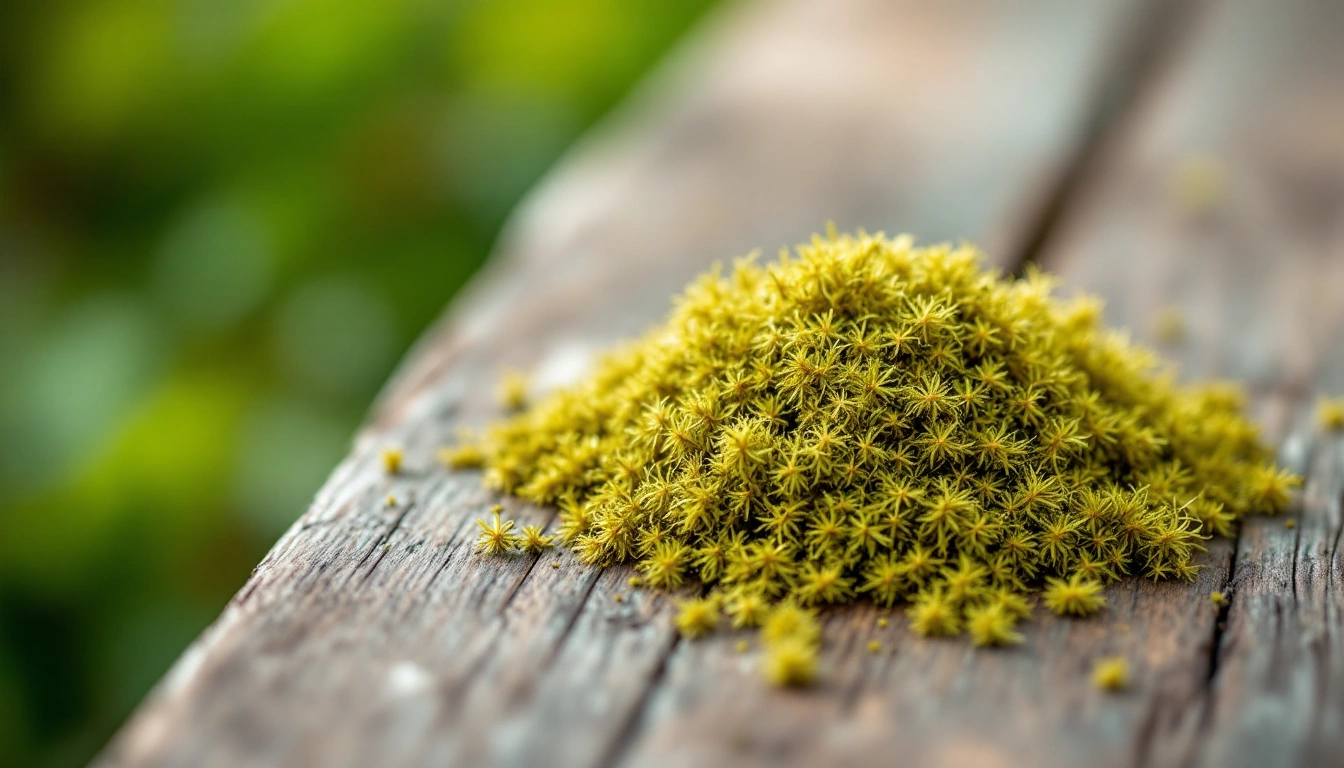
Sphagnum moss grows in wet, boggy environments, forming dense mats near the surface of the bog. What's sold as sphagnum moss is the upper, less-decomposed layer of this material, harvested, dried, and compressed for shipping. When rehydrated, it expands back into loose, stringy fibers that hold a large amount of water relative to their weight.
Most commercial sphagnum moss comes from a handful of major growing regions, including New Zealand and Chile, and is graded by fiber length - long-fiber sphagnum is generally considered higher quality and easier to work with for potting than shorter, more broken-down grades.
Sphagnum moss vs. peat moss
These two products are often confused because they come from the same plant, but they're processed and used differently:
Sphagnum moss is the intact, dried upper layer of the plant, sold as loose strands or fibers.
Peat moss is the older, partially decomposed material found deeper in the bog, harvested, dried, and sold as a loose, crumbly bulk ingredient.
Peat moss is used mainly as a bulk component in potting soil, providing moisture retention and structure across the whole mix. Sphagnum moss is typically used on its own or in a smaller, targeted role - packed around orchid roots, lining a basket, or mixed sparingly into a potting blend for extra water retention.
Sphagnum moss vs. live sphagnum
- Dried sphagnum moss, the kind sold compressed in bags, is no longer alive. Live sphagnum moss is a different product: it's actively growing, green, and typically sold in smaller quantities for specific uses like propagating certain plants or as a living top-dressing on a pot's soil surface. Live sphagnum needs light and consistent moisture to stay alive, while dried sphagnum moss is simply a growing medium that gets rehydrated when used.
Common uses for sphagnum moss
Orchid potting, especially for orchids like phalaenopsis that prefer more consistent moisture than a bark mix provides.
Lining hanging baskets, where it holds soil in place while allowing water to pass through.
Seed starting, since its fine, moisture-retentive structure suits germinating seeds that need consistent dampness.
Boosting moisture retention when mixed sparingly into a potting blend for plants that want more consistent humidity around their roots.
A bag of long-fiber sphagnum moss rehydrates quickly and works for most of these uses straight out of the bag.
How to use it
Dried sphagnum moss needs rehydrating before use. Soak it in water for several minutes until it's fully expanded and pliable, then squeeze out excess water so it's damp but not dripping. From there, pack it loosely around roots, use it to line a basket, or mix a portion into potting soil, depending on the use.
Avoid packing it too tightly in any application - sphagnum works best when it's loose enough to still let air move through it, even though it holds a lot of water.
Nutrient content and limitations
- Sphagnum moss has very few nutrients on its own and a naturally acidic pH. It's not meant to replace a balanced potting soil for most houseplants, which need more nutrient content and structural variety than sphagnum alone provides. Its value is in moisture retention and structure for specific uses, not as a general-purpose growing medium.
Grades and quality of sphagnum moss
Commercial sphagnum moss is generally sold by fiber length, with longer strands considered higher grade. Long-fiber sphagnum holds its structure well when packed around roots or used in a basket, staying loose enough to breathe even when saturated. Shorter, more broken-down grades pack more densely and can restrict airflow more than long-fiber moss, which matters most for uses like orchid potting where airflow around roots is important.
Color and cleanliness are also worth checking when buying. Good-quality dried sphagnum is typically a light tan to golden color, relatively free of dirt, twigs, or other bog debris. Darker, dirtier material may indicate a lower grade or less careful processing.
Where sphagnum moss is harvested
- Commercial sphagnum moss for horticultural use comes primarily from a small number of major sphagnum bog regions, with New Zealand and Chile being two of the largest sources sold internationally. These regions have large, well-established bogs and harvesting practices suited to producing the long-fiber material preferred for gardening use. Harvesting practices and regulations vary by region and have become a point of environmental attention in some areas, similar to concerns raised about peat bog harvesting, since bogs are slow-forming ecosystems.
Sphagnum moss as a top-dressing
- Beyond its use in orchid pots and hanging baskets, a thin layer of sphagnum moss is sometimes used as a decorative top-dressing over the soil surface in a regular potting mix. This can help retain surface moisture, slightly reduce how often the top layer dries out, and give a pot a more finished, tidy look. This works with dried sphagnum rehydrated and laid on the surface, or with live sphagnum kept consistently moist if the grower wants a green, living top layer instead.
Storing dried sphagnum moss
- Unused dried sphagnum moss stores well almost indefinitely as long as it stays dry, since it's already been dehydrated during processing. Keep an opened bag sealed and away from moisture until you're ready to rehydrate a portion for use. Once rehydrated, unused wet moss doesn't store as well and should be used within a reasonable time or allowed to dry back out for storage.
How long it lasts
- Like other organic growing media, sphagnum moss breaks down over time with regular watering, gradually compacting and losing the loose structure that lets air and water move through it properly. Depending on the use and how often it's watered, expect to refresh sphagnum moss every one to two years.
Buying tips for sphagnum moss
When choosing between products, a few checks help identify better-quality sphagnum:
Fiber length. Long-fiber sphagnum is generally the better choice for potting uses, since it holds its loose structure better than short, broken-down grades.
Color and cleanliness. Look for a light tan to golden color without excessive dirt, twigs, or other bog debris mixed in.
Compressed weight and expansion. Compressed bricks and bags should expand significantly once soaked; a bag that doesn't expand much may contain more broken-down or lower-quality material than expected.
Sphagnum moss and humidity for houseplants
- Beyond orchid potting, some growers use damp sphagnum moss placed in a tray or dish near humidity-loving houseplants as a simple way to raise local humidity slightly, since the moss releases moisture as it dries. This is a minor, supplemental technique rather than a primary humidity solution, but it's a low-cost use for sphagnum moss that growers already keep on hand for other purposes.
Sphagnum moss for propagation
- Beyond potting established plants, sphagnum moss is also commonly used for propagating certain plants, particularly through a technique called air layering, where a section of stem is wounded, wrapped in damp sphagnum moss, and covered until roots form at the wound site before the new section is cut away and potted separately. The moss's ability to hold consistent moisture against the stem while still allowing some airflow makes it well suited to this specific propagation method, which is commonly used on woody houseplants like rubber plants and some ficus varieties.
Bottom line
- Sphagnum moss is a specific, purpose-built material distinct from both peat moss and live sphagnum, valued for how much water it holds relative to its weight. It shines in targeted uses like orchid potting and basket lining, but it isn't a stand-in for a balanced potting soil. See sphagnum moss for orchids for a closer look at that specific use.
FAQ
Is sphagnum moss the same as peat moss?
No, though they come from the same plant. Sphagnum moss is the dried, intact upper layer harvested from a bog. Peat moss is the older, more decomposed and compacted material found deeper down, usually sold as a loose, crumbly bulk ingredient rather than intact strands.
Can I use sphagnum moss instead of potting soil?
Not as a full replacement for most plants. Sphagnum holds a lot of water and has very few nutrients, which suits specific uses like orchid potting or seed starting, but it doesn't provide the balanced structure and nutrient content most houseplants need on its own.
How do I rehydrate dried sphagnum moss?
Soak it in water for several minutes until it's fully damp and pliable, then squeeze out the excess so it's moist but not dripping before packing it around roots or mixing it into soil.
Does sphagnum moss need to be replaced over time?
Yes. It breaks down and compacts with regular watering, gradually losing the loose structure that lets roots breathe. Depending on use, expect to refresh it every one to two years.