
Potting & Soil Mixes
Sphagnum Moss for Orchids: How to Use It
The short answer
Sphagnum moss works well for orchids that like consistently moist roots, especially phalaenopsis and other orchids grown in smaller pots, but it holds more water than bark mixes and needs a lighter, less frequent watering routine to avoid rot.
Last updated September 2026
| Best suited orchids | Phalaenopsis and other orchids that prefer consistent moisture rather than a strict dry-out cycle |
|---|---|
| Moisture behavior | Holds significantly more water than bark-based mixes; stays damp longer between waterings |
| Common form | Dried, long-fiber sphagnum moss, rehydrated before use, packed loosely around roots |
| Repotting frequency | Sphagnum breaks down faster than bark, so orchids in straight sphagnum often need repotting more often, roughly every 1–2 years |
Scroll for more →
What's covered19
- Why sphagnum moss suits some orchids and not others
- What sphagnum moss actually is
- How to pot an orchid in sphagnum moss
- Watering an orchid grown in sphagnum
- How long sphagnum moss lasts before it needs replacing
- Choosing pot type when growing orchids in sphagnum
- Signs an orchid is thriving in sphagnum moss
- Common mistakes when switching an orchid to sphagnum moss
- Fertilizing orchids grown in sphagnum moss
- Sphagnum moss and orchid types beyond phalaenopsis
- Mixing sphagnum with other media
- Sphagnum moss vs. a semi-hydroponic setup
- Climate and seasonal adjustments
- Repotting timeline and root disturbance
- A note on sourcing and cost
- What to avoid
- Where to source quality sphagnum for orchids
- A simple checklist before repotting into sphagnum
- Bottom line
Your choice of sphagnum moss for orchids affects water and air around the roots. Compare sphagnum moss for orchids by drainage, water storage, and fit for the plant. Use this sphagnum moss for orchids guide to see the main trade-offs.
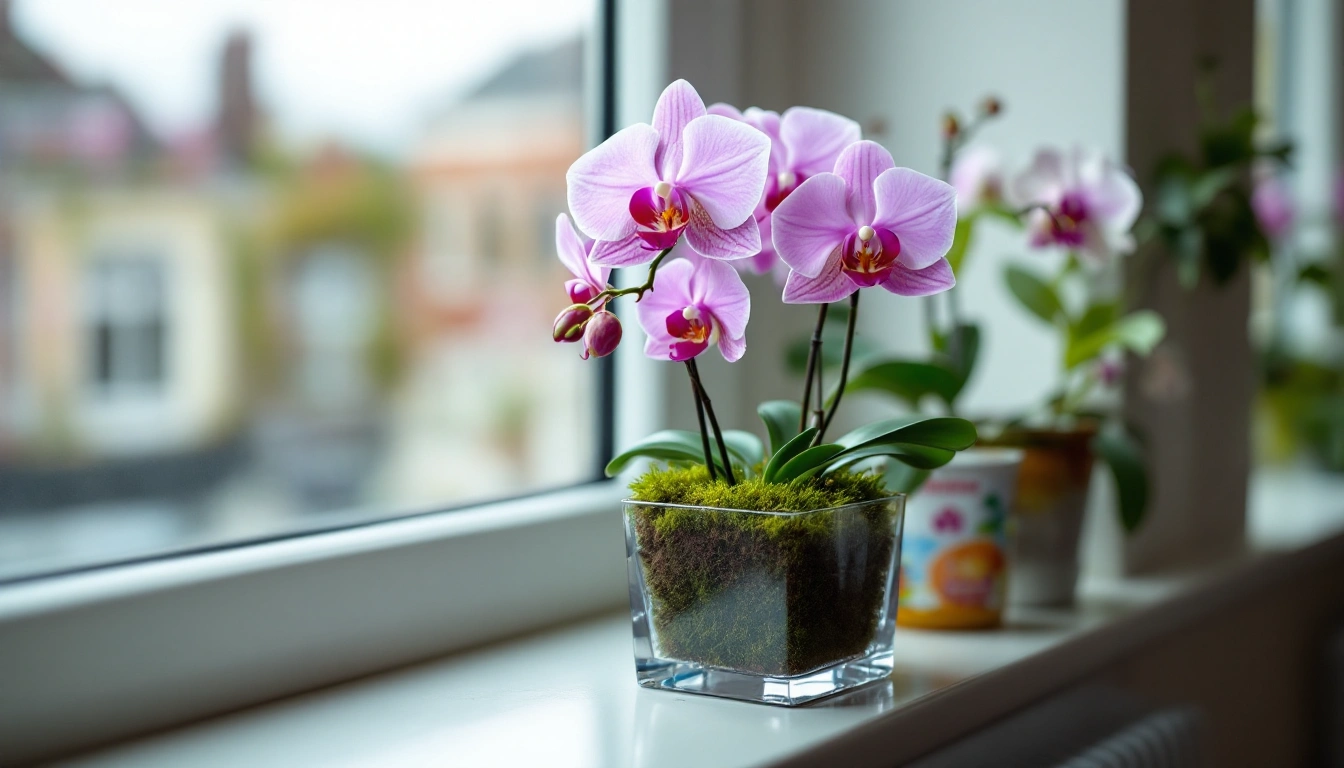
- Sphagnum moss for orchids works best for orchids that like their roots consistently moist rather than fully drying out between waterings, especially phalaenopsis grown in smaller pots. It holds far more water than a bark-based orchid mix, which is either an advantage or a liability depending on your watering habits and the orchid you're growing.
Why sphagnum moss suits some orchids and not others
Orchid roots need a different balance of air and moisture than most houseplant roots. Many orchids are epiphytes in the wild, growing attached to tree bark with roots exposed to air, rain, and quick drying. Their roots are adapted to short bursts of moisture followed by drying out, which is why bark mixes - which drain fast and dry out quickly - are the traditional standard for many orchid types.
Sphagnum moss behaves very differently. It's extremely absorbent and holds water for much longer than bark, keeping roots consistently damp. This suits orchids and growing situations where a slower drying cycle is an advantage:
Phalaenopsis orchids, which tend to tolerate and often prefer more consistent moisture than some other genera.
Smaller pots, which dry out faster on their own and benefit from a medium that holds on to moisture longer.
Growers who water less frequently, since sphagnum stretches out the time between waterings compared to bark.
Orchids that strongly prefer to dry out fully between waterings, or growers who water often and don't want a slow-drying medium, are usually better served by bark instead.
What sphagnum moss actually is
Sphagnum moss used for orchids is typically dried, long-fiber sphagnum, harvested and processed from sphagnum bogs (commonly in places like New Zealand and Chile) and sold compressed in bags. It's different from peat moss, which comes from the same plant family but is the partially decomposed, compacted material found deeper in a bog - peat is used mainly as a bulk ingredient in potting soil, not typically packed around orchid roots on its own. Long-fiber sphagnum keeps its stringy, intact structure, which is what makes it useful for packing around orchid roots without compacting into a dense mass.
Live sphagnum moss, which is still actively growing rather than dried and packaged, is a different product used more often as a decorative top-dressing or for propagating certain plants, rather than as the main root medium for orchids.
How to pot an orchid in sphagnum moss
- Rehydrate the dried moss. Soak it in water for several minutes until it's fully damp and pliable, then squeeze out the excess water so it's moist but not dripping.
- Choose an appropriate pot. A pot with drainage holes is still important even with a moisture-retentive medium like sphagnum, since standing water at the bottom of the pot will rot roots regardless of what's packed around them.
- Loosely pack the moss around the roots. Wrap or tuck rehydrated sphagnum around the orchid's root system, filling gaps without compressing it into a dense, airless clump. The goal is a snug but breathable fit, not a tightly packed ball.
- Settle the plant into the pot. Add the moss-wrapped root ball into the pot, adding a bit more loose moss around the edges if needed to hold the plant steady.
Watering an orchid grown in sphagnum
Because sphagnum holds water longer than bark, orchids in sphagnum need a different watering rhythm:
Water less often than you would with bark. Check the moss a couple inches down with a finger or a wooden skewer; if it's still damp, wait before watering again.
Water lightly rather than heavily. Since the moss already holds moisture well, a smaller amount of water more evenly distributed works better than a heavy soak every time.
Watch for signs of staying too wet. Roots that turn brown, black, or mushy - rather than staying firm and green-to-white - signal the moss is holding too much water for that orchid's needs.
A bag of dried long-fiber sphagnum moss rehydrates easily and packs well around orchid roots.
How long sphagnum moss lasts before it needs replacing
- Sphagnum breaks down faster than bark under regular watering, gradually compacting and losing the loose, airy structure that lets roots breathe. Most orchids grown in straight sphagnum need repotting into fresh moss roughly every one to two years, sooner if the moss has visibly darkened, compacted, or started holding water too long between waterings. Bark-based mixes generally stretch closer to two years before needing the same refresh.
Choosing pot type when growing orchids in sphagnum
- The pot itself matters almost as much as the medium when you're growing an orchid in sphagnum moss, since the material already holds a lot of water on its own. A plastic pot with several drainage holes is a common, practical choice, since it lets excess water escape while still letting you see moisture buildup at the bottom through the sides on a clear or semi-clear pot. Unglazed terracotta, which wicks moisture out through its walls, can help balance out sphagnum's tendency to stay damp, effectively adding a bit of extra drying capacity to the setup. A fully sealed decorative pot with no drainage is generally a poor match for sphagnum, since the combination of a water-retentive medium and nowhere for excess water to go significantly raises the risk of root rot.
Signs an orchid is thriving in sphagnum moss
Beyond just watching the roots directly, a few broader signs suggest an orchid is doing well in its sphagnum setup:
New growth appears at a steady pace - new leaves, spikes, or root tips emerging over the course of a growing season.
Existing leaves stay firm and a healthy green, rather than turning yellow, wrinkled, or unusually soft.
The moss dries at a predictable rate between waterings, rather than staying wet for many days or drying out within hours.
If growth has stalled, leaves look stressed, or the moss behaves erratically (drying too fast or staying wet far longer than expected), it's worth checking the roots directly and considering whether the moss has broken down or the watering routine needs adjusting.
Common mistakes when switching an orchid to sphagnum moss
Growers moving an orchid from bark to sphagnum moss, or vice versa, sometimes run into avoidable problems during the transition:
Keeping the same watering schedule after switching media. An orchid moved from bark into sphagnum needs watering far less often, since the new medium holds water so much longer. Continuing a bark-frequency watering schedule in sphagnum is one of the most common causes of orchid root rot after a repot.
Packing the moss too densely during the switch. It's tempting to pack sphagnum firmly to stabilize a plant in a new pot, but overly dense packing chokes off the airflow that even a moisture-loving orchid still needs at its roots.
Not inspecting roots before repotting. Repotting is a good opportunity to check for and trim away any rotted or dead root tissue before wrapping fresh moss around the root system, since old rot left in place can spread into otherwise healthy roots.
Using low-quality or old sphagnum. Moss that's already partially broken down, dirty, or very short-fibered won't hold up as well or provide the airflow of a fresh, long-fiber batch.
Fertilizing orchids grown in sphagnum moss
- Sphagnum moss itself provides essentially no nutrients, similar to bark, so a regular fertilizing routine still matters regardless of which medium an orchid is grown in. A diluted, balanced fertilizer formulated for orchids, applied on a regular schedule during active growth and reduced or paused during dormant periods, works well for orchids in sphagnum. Because sphagnum holds moisture and any dissolved minerals in it longer than bark does, it's worth flushing the moss with plain water occasionally to prevent fertilizer salts from building up around the roots over time.
Sphagnum moss and orchid types beyond phalaenopsis
- While phalaenopsis is the most commonly cited orchid for sphagnum growing, it isn't the only genus that can do well in the medium. Some paphiopedilum (slipper orchids) and certain other orchids that naturally grow in more consistently moist conditions, rather than the classic epiphytic tree-bark habitat, can also do well in sphagnum. Orchids adapted to very dry, airy conditions in the wild - many cattleya and vanda types, for instance - are generally better suited to bark or mounted growing than to a moisture-retentive medium like straight sphagnum. When in doubt about a specific orchid's preference, checking how that genus grows in its native habitat is a reliable way to judge whether sphagnum or bark is the better fit.
Mixing sphagnum with other media
- Some growers blend a portion of sphagnum into a bark-based mix rather than using either material on its own. A small amount of sphagnum mixed through bark chips can add moisture retention for orchids that want a bit more consistency than bark alone provides, while still keeping more airflow than a pure sphagnum pack. This blended approach can be a useful middle ground if you're unsure which extreme suits your watering habits and orchid best.
Sphagnum moss vs. a semi-hydroponic setup
- Some orchid growers use an entirely different approach, growing roots in a solid inert medium like LECA (lightweight expanded clay aggregate) with a shallow water reservoir at the bottom of the pot, often called semi-hydroponic or "semi-hydro" culture. This is a distinct method from sphagnum growing, even though both aim to give roots more consistent access to moisture than a fast-drying bark mix. Sphagnum still functions as a traditional solid potting medium that gets watered and allowed to partially dry; a semi-hydro setup maintains a standing water level that the roots draw from directly, with no drying cycle at all in the same way. Growers who like the consistent-moisture idea behind sphagnum but want an even more hands-off watering routine sometimes look into semi-hydro as a next step, though it requires different pots and a different root acclimation process than switching media within a traditional pot.
Climate and seasonal adjustments
- How sphagnum moss performs for a given orchid also shifts with the seasons and the room it's kept in. In a warm, dry indoor environment, especially during winter with heating running, sphagnum dries out faster than it would in a humid greenhouse or bathroom setting, which may mean watering more often than expected for the medium. In cooler, more humid conditions, or during an orchid's slower winter growth period, the same moss can stay damp for noticeably longer, and watering frequency should typically be reduced to match slower water uptake by the plant. Paying attention to how quickly the moss dries in your specific space, rather than following a fixed schedule regardless of conditions, is a more reliable way to time waterings correctly.
Repotting timeline and root disturbance
- Because sphagnum-grown orchids need repotting more often than bark-grown ones, minimizing root disturbance during each repot matters. When repotting, gently teasing apart old, compacted moss from the root ball rather than yanking it free reduces the chance of tearing healthy roots. Any roots that come away brown, hollow, or mushy during this process are already dead or rotting and can be trimmed off with clean scissors or shears; firm, plump roots, even if slightly dry-looking on the outside, are usually still viable and worth keeping intact.
A note on sourcing and cost
- Sphagnum moss generally costs more per volume than bark, partly reflecting its more limited harvesting regions and the processing needed to produce clean, long-fiber material. For a single orchid or a small collection, this cost difference is usually minor. For a larger collection grown entirely in sphagnum, the higher per-repot cost, combined with the more frequent repotting schedule sphagnum requires, is worth factoring in when deciding between media for a whole collection rather than a single plant.
What to avoid
- Packing sphagnum too tightly. A dense, compressed clump blocks airflow to roots and increases rot risk, even though sphagnum itself is a breathable material when loosely packed.
- Watering on a bark schedule. Watering as often as you would for bark-potted orchids will almost certainly overwater an orchid in sphagnum, since the moss simply doesn't dry out at the same rate.
- Using old, broken-down sphagnum. Moss that's already compacted and slow-draining from age or previous use won't give roots the airflow they need, even if it still looks intact.
Where to source quality sphagnum for orchids
- Garden centers, dedicated orchid suppliers, and general nurseries typically carry dried long-fiber sphagnum moss in the orchid or houseplant section, often near bark and other orchid potting supplies. Quality varies noticeably between brands and grades, so checking for long, relatively clean, light tan to golden fiber, rather than short, dark, or dirty material, is worth a moment before buying, especially if a store carries more than one product line.
A simple checklist before repotting into sphagnum
Before starting a repot, it helps to have everything ready rather than scrambling mid-process with a plant's roots exposed:
A pot with drainage holes sized appropriately for the plant's current root mass.
Enough dried sphagnum moss, pre-soaked and squeezed to the right dampness.
Clean scissors or shears for trimming any dead or rotted roots.
A clear sense of where the plant will sit afterward, since light and humidity conditions affect how quickly the moss dries and how soon the next watering will be needed.
Bottom line
- Sphagnum moss is a solid medium for orchids that like consistent moisture, particularly phalaenopsis in smaller pots, as long as watering frequency is adjusted down to match how much longer the moss stays damp compared to bark. For more on sphagnum moss in general, including how it compares to peat moss, see the sphagnum moss overview.
FAQ
Is sphagnum moss better than bark for orchids?
Neither is universally better - they suit different watering habits and orchid types. Sphagnum holds more moisture and suits growers who water less often or orchids that like consistent dampness. Bark drains faster and suits growers who water more frequently or orchids that want to dry out between waterings.
How do I know if I'm overwatering an orchid in sphagnum moss?
Check the moss with a finger or a wooden skewer before watering again. If it still feels damp a few inches down, hold off. Orchid roots that turn brown and mushy, rather than staying firm and greenish-white, are a sign of overwatering in a moisture-retentive medium like sphagnum.
Can I mix sphagnum moss with bark for orchids?
Yes, some growers blend a small amount of sphagnum into a bark-based mix to add moisture retention without going to pure sphagnum. This can suit orchids that want more consistent moisture than straight bark but more airflow than straight sphagnum.
How often should I repot an orchid grown in sphagnum moss?
Sphagnum breaks down faster than bark, typically needing replacement every one to two years, compared to roughly two years for bark mixes. Watch for moss that's turned dark, dense, or slow to dry out, which signals it's time to refresh.