6 Best Coco Coir Products for Potting and Growing in 2026
As an Amazon Associate, this website earns from qualifying purchases.
The short answer
For growers who want the most volume from a single brick, the option that expands to 72-80 quarts stands out. Those managing multiple containers or storing coir over time may prefer a 10-pack of individually sized bricks instead. Coco coir chips are positioned as a soil conditioner and mulch alternative suited to orchid cultivation and landscaping.
2 bricks (1.1 lb each), each expanding to 7 quarts
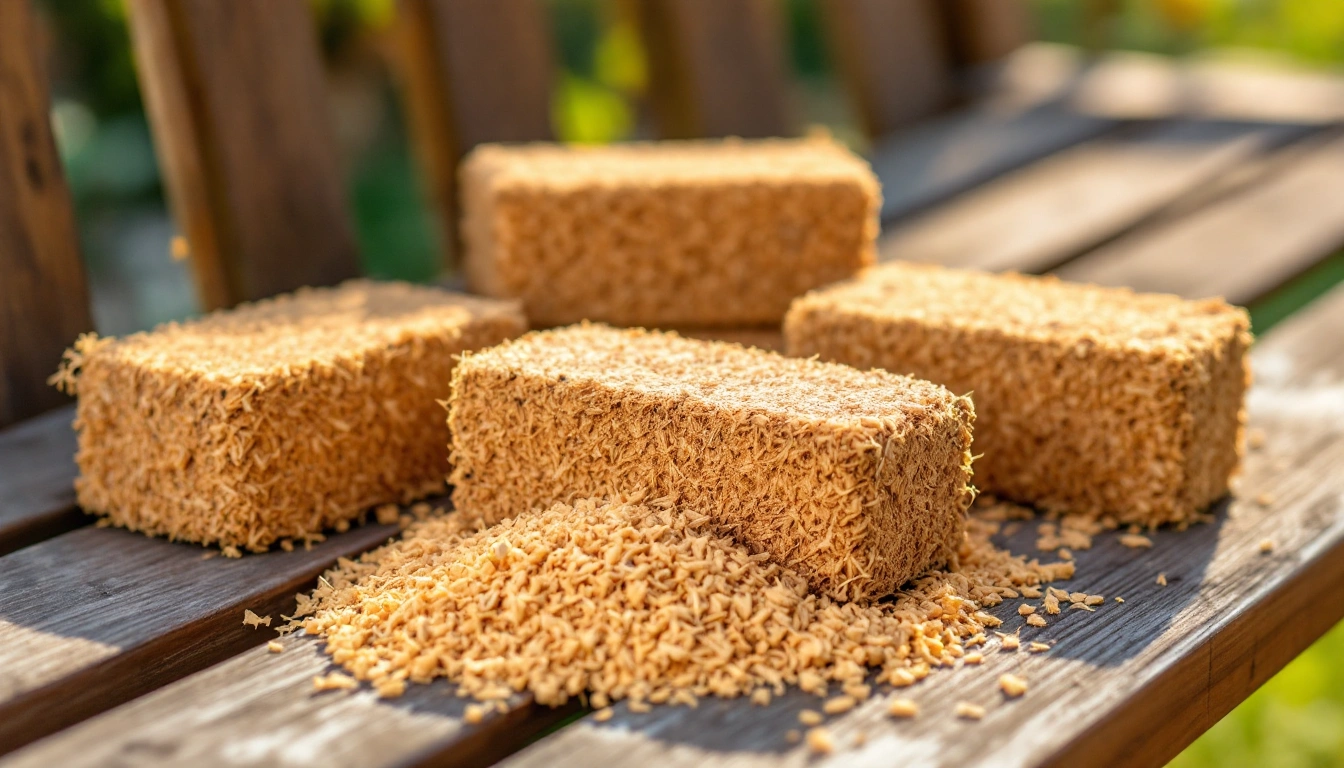
Coconut husk chip texture made from coco coir and fiber
Keep in mind: The pack format may be more than a small planting job needs.
Product details checked September 2026
It's meant to be soaked and can be used alone or blended with perlite, charcoal, or soil.
The lightweight, breathable fiber is described as low EC and pH-balanced, delivering oxygen to plant roots.
It's positioned as a soil conditioner and mulch alternative for landscaping, orchid cultivation, and raised garden beds.
Factors to consider when choosing coco coir
Coco coir bricks offer a compact, peat-free way to build a moisture-retentive growing medium for houseplants, seedlings, and garden beds.
This roundup compares coco coir bricks by finished yield, pack format, processing quality, and texture so you can match a product to your project.
The options here range from a single large-format 10 lb brick to multi-brick packs of individually sized smaller bricks.
How Much Coco Coir Do You Need?
Estimate your finished volume needs first, since dry compressed bricks look small but expand substantially once hydrated.
Larger single bricks suit big containers or raised beds, while multi-brick packs make it easier to portion out smaller batches over time.
Understanding Salt and pH Processing
Coco coir naturally contains sodium and potassium salts from its coastal origin, so thorough washing helps lower electrical conductivity before use.
A pre-balanced pH reduces the need for additional buffering before planting salt-sensitive seedlings.
Fine Coir vs. Coarse Chips
Fine coco coir generally suits seed starting and container mixes that need a soft, moisture-retentive texture.
Coarser coco coir chips are often better suited to mulching, orchid substrate, or blending into chunkier soil mixes.
How we compared these picks
We compared the current listing facts for the exact products shown above. The main decision points were yield volume, pack size & format, processing/salt level, and texture & application fit. We did not test these products by hand, and we do not use prices, ratings or review counts in the ranking.
Our verdict
For growers who want the most volume from a single brick, the option that expands to 72-80 quarts stands out. Those managing multiple containers or storing coir over time may prefer a 10-pack of individually sized bricks instead. Coco coir chips are positioned as a soil conditioner and mulch alternative suited to orchid cultivation and landscaping.
Match the pack to the project
Choose the MODELLOR 10 lb brick when you already know you need a large finished volume. It is the least convenient format for one small pot because you must wet and break apart a large block. It makes more sense for raised beds, several planters, seed-starting batches, or a stored supply of mixed medium.
Choose the Legigo 10-pack when portion control matters more than having one large block. Separate bricks let you hydrate only what the next job needs. The remaining dry bricks can stay compact for storage instead of leaving you with a large pile of damp coir.
Choose the MODELLOR four-pack for a middle ground. The pack can cover several home garden jobs without asking you to open a single 10 lb brick. Its listing also spans pots, raised beds, orchids, bonsai, and hydroponic use.
Choose the Riare two-brick pack when you want a smaller trial quantity or plan to blend coir with potting soil and perlite. The listing focuses on breathability, water holding, and a clean coco peat texture.
Choose the ZeeDix two-pack when a listed 15-quart finished yield fits the job. Its smaller format can suit a few grow bags, pots, or a composting mix without leaving as much unused hydrated coir.
Choose the Riare chips when you need coarse pieces rather than fine coco peat. Chips create larger gaps and suit orchid blends, mulch, and chunkier soil conditioning. They are not the same texture as a fine brick used for seed starting.
Work out finished volume before buying
Measure the containers you plan to fill and subtract the space already taken by roots, existing mix, or other ingredients. A dry brick looks small, but the useful comparison is the amount after hydration.
Allow for the rest of the recipe. If coir will be half of a mix, you do not need enough coir to fill the full pot volume. Perlite, bark, compost, or another base will supply the remaining volume.
Avoid hydrating a full large brick just to fill one small pot. Once wet, coir takes far more room to store and needs air so it does not stay packed in a damp, stale mass.
Keep product yield units consistent. Compare finished quarts with finished quarts rather than comparing dry pounds from one listing with wet volume from another.
How to hydrate a coco coir brick
Place the brick in a tub or bucket larger than its expected finished size. Add water in stages instead of filling the container to the rim at once.
Wait for the outside layer to soften, then pull it apart with clean hands or a tool. Add more water to dry sections as they become exposed.
Stop when the fibers are evenly damp and loose. Coir should not drip like a soaked sponge when the next step is mixing it into potting media.
Break apart dense pockets before use. A hard dry center can behave differently from the wet outer fibers and make the finished mix uneven.
If the listing or bag calls for rinsing, flush the expanded coir and let the extra water drain. Follow the product directions when they differ from a general method.
Check salt and pH claims carefully
Coco husks can carry salts from their source and processing. A listing that states washing, low electrical conductivity, or a balanced pH gives you more useful preparation detail than a listing that only says "natural."
Do not assume every brick is ready for sensitive seedlings or hydroponics straight after expansion. Check the product label for washing and buffering instructions, especially when the plant will have no soil to soften mistakes.
If you rinse coir, let the runoff leave fully instead of allowing the brick to sit in the same water. The aim is to carry loose dust or salts away from the fibers.
Coco coir contains little plant food on its own. A balanced pH does not mean the medium contains all the nutrients a growing plant needs.
Build a container mix with coir
Use coir as the water-holding part of a recipe, then add a coarse part for airflow. Perlite, pumice, or bark can stop a fine coir base from packing too tightly around roots.
Match the coarse share to the plant. A tropical plant that likes even moisture can use more coir. A succulent needs much more mineral matter and should not sit in a coir-heavy mix that stays damp.
Add plant food through compost, worm castings, or a suitable fertilizer plan. Coir gives structure and water storage, not a complete feeding program.
Mix while every part is lightly damp. Fine dry ingredients can separate and create dust, while a waterlogged batch is hard to judge by texture.
Fill the pot loosely and tap it to settle. Do not press the mix into a solid block, since that removes the air space you added coarse ingredients to create.
Use coir for seed starting
Fine coco peat can create an even surface for small seeds, but seedlings still need air and food. Blend it with a light drainage material and follow a seed-feeding plan once the stored energy in the seed is no longer enough.
Wet the medium before sowing so later watering does not move small seeds into one corner. The mix should feel damp, not leave standing water in the tray.
Watch the surface instead of watering by date. Coir can look lighter on top while remaining damp below, especially in a covered tray.
Give trays airflow after germination. A constantly wet surface and still air can support mold even when the coir itself arrived clean.
Use chips in an orchid or bark blend
Coir chips hold water differently from fine coco peat. Their larger pieces leave open gaps while keeping some moisture near roots.
Blend chips with bark, perlite, or charcoal when the orchid needs a coarse root zone. Keep the final texture open enough that water can pass through the pot.
Do not pack chips tightly around roots. The value of a coarse blend comes from the air spaces between pieces.
Check drying time after each repot. A chip blend may hold water longer than plain bark, so an old bark watering schedule may be too frequent.
Storage after opening or hydrating
Keep unused dry bricks off a damp floor and away from open water. Leave each wrapped brick sealed until you need it.
Store hydrated coir only after extra water has drained. Use a clean container with some airflow if the coir is still damp, and check it before bringing it back into a potting mix.
Label a mixed batch with the product and date. If you adjusted it with perlite, bark, or plant food, record the ratio as well.
Discard stored coir that smells sour, shows pest activity, or has become a slimy compact mass. Dry surface fibers or harmless mineral marks are different from active decay, so inspect the texture and smell together.
What the listings do not settle for you
A large yield does not make one brick best for every grower. Storage space, the number of pots, and how often you mix soil can matter more than total finished volume.
A long list of possible uses does not mean one texture is ideal for all of them. Seed trays favor fine, even fibers. Orchids and mulch jobs often favor chips or a coarse blend.
"Organic" and "biodegradable" describe the source or end of the fiber, not a complete plant-care plan. You still need the right drainage, pot, feeding routine, and watering rhythm.
Product pages can change. Check the current pack size, preparation directions, and stated yield at the retailer before ordering, especially when you need a set finished volume for a project.
FAQ
What is the highest quality coco coir available?
Look for coco coir that specifies low salt content, a balanced pH, and a thorough washing process, since these processing details affect how ready it is for direct use.
What are the downsides of using coco coir?
Coco coir contains few nutrients on its own, so most growers need to supplement with fertilizer to support healthy plant growth. It can also retain excess salts if it hasn't been well-rinsed, which may require extra flushing before use around sensitive plants.
Can mold grow on coco coir?
Coco coir can develop surface mold if it stays overly wet or lacks airflow, since organic growing media are naturally susceptible to fungal growth in damp conditions.
Does coco coir attract fungus gnats?
Fungus gnats are drawn to consistently moist organic material, so overwatering coco coir can create conditions that attract them, regardless of brand.