
Potting & Soil Mixes
Coco Coir Potting Mix: What It Is and How to Use It
The short answer
Coco coir potting mix uses coconut husk fiber as its main base instead of peat moss, giving a mix that holds water well, rewets easily after drying out, resists compaction, and generally needs regular fertilizing since coir itself supplies few nutrients.
Last updated September 2026
| Base material | Processed coconut husk fiber, often blended with perlite, compost, or bark |
|---|---|
| Water behavior | Holds moisture well and rewets easily even after drying out fully |
| Nutrients | Very low on its own; needs regular fertilizing unless the mix includes added nutrients |
| pH | Close to neutral, generally easier to work with than the naturally acidic pH of peat |
| Compaction | Resists compacting over time better than peat-based mixes |
Scroll for more →
What's covered11
- What's in a coco coir potting mix
- Coco coir vs. peat moss as a potting mix base
- Nutrients: the main thing to watch
- The buffering step
- Using coco coir mix for different plants
- Buying vs. building your own
- Repotting a plant into coco coir mix
- Signs a coco coir mix needs attention
- Coco coir mix for different container types
- Fertilizing plants in coco coir mix over time
- Storage and shelf life
Your choice of coco coir potting mix affects water and air around the roots. Compare coco coir potting mix by drainage, water storage, and fit for the plant. Use this coco coir potting mix guide to see the main trade-offs.
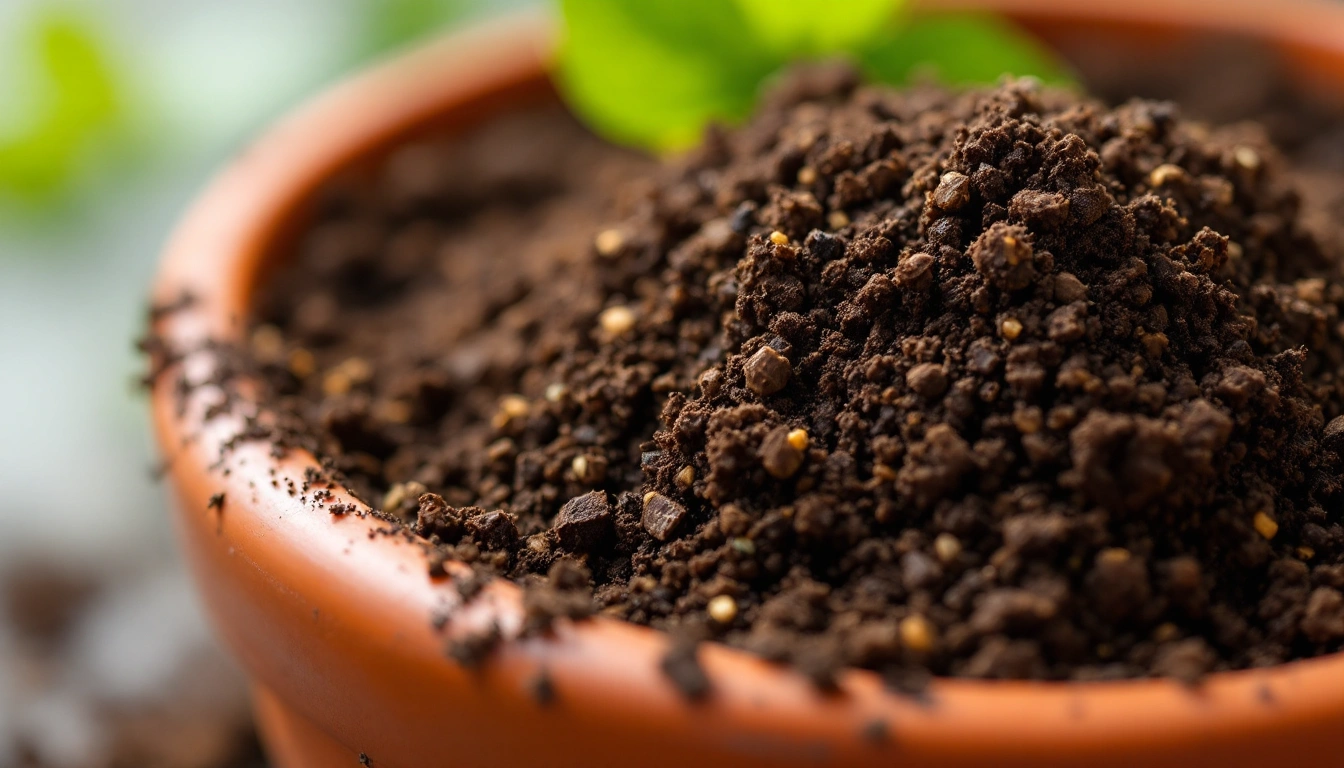
- Coco coir potting mix uses processed coconut husk fiber as its main base, instead of the peat moss found in many traditional potting mixes. It holds moisture well, rewets easily even after drying out completely, and resists compacting over the life of the mix better than peat-based blends - though it needs regular fertilizing, since coir itself provides very little in the way of nutrients.
What's in a coco coir potting mix
Pure coir on its own isn't usually a complete potting mix; most bagged products blend it with other materials to round out its weaknesses:
Perlite, added for extra aeration and drainage, since coir alone can hold more water than some plants want.
Compost or worm castings, added to provide the nutrients coir doesn't supply on its own.
Bark fines, sometimes included for extra structure, particularly in mixes aimed at aroids or other plants that like a chunkier texture.
The exact blend varies by brand and intended use, so checking the ingredient list matters more with coir-based mixes than with a simple bag of coir alone.
Coco coir vs. peat moss as a potting mix base
| Coco coir | Peat moss | |
|---|---|---|
| Rewetting | Absorbs water easily even after drying out fully | Can resist rewetting once completely dry (hydrophobic) |
| pH | Close to neutral | Naturally acidic |
| Nutrients | Very few on its own | Some natural nutrient content |
| Compaction | Resists compacting over multiple growing cycles | Compacts and breaks down faster |
| Renewability | Made from a coconut processing byproduct | Harvested from peat bogs, which regenerate very slowly |
Scroll for more →
- Neither material is a clear winner across every situation. Growers who've had plants suffer from a peat mix drying out and repelling water often prefer coir specifically for its easier rewetting. Growers who want a bit of built-in nutrient content, or who are working with acid-loving plants that want peat's naturally lower pH, may prefer sticking with peat.
Nutrients: the main thing to watch
Because raw coir supplies almost no nutrition on its own, a plant growing in straight coir depends heavily on regular fertilizing. Bagged coco coir potting mixes usually address this by blending in compost, worm castings, or a starter fertilizer charge, but it's not universal, and a mix that's just coir plus perlite with nothing else will need feeding sooner than a richer blend.
If you're building a mix yourself from raw coir, planning to fertilize on a regular schedule from the start - rather than waiting for signs of deficiency - keeps the plant from falling behind.
The buffering step
- Raw, untreated coir has a tendency to bind calcium and magnesium while releasing potassium and sodium into the surrounding water, which can throw off nutrient balance for the plant even when you're fertilizing properly. Buffering - pre-treating the coir with a calcium-rich solution before use - prevents this. Most commercial bagged coco coir potting mixes are pre-buffered, but raw coir or coir bricks may not be, so it's worth checking before assuming that step has already been handled.
Using coco coir mix for different plants
Tropical houseplants generally do well in a coco coir-based mix, since the moisture retention and improved rewetting suit plants that like to stay evenly moist between waterings.
Succulents and cacti need much more drainage than a straight coir mix provides. Coir can still work as one ingredient in a succulent blend, but only when cut heavily with perlite, pumice, or coarse sand to bring the overall mix in line with the fast drainage these plants need.
Seed starting is another common use, since coir's fine, even texture and easy rewetting suit the consistent moisture seedlings want during germination.
Buying vs. building your own
- A bagged coco coir potting mix, already blended with perlite and some nutrient content, is the simpler option for most home growers. a bag of coco coir potting mix saves the steps of sourcing raw coir, buffering it, and blending in other materials yourself.
- Building your own from a coco coir brick plus separate perlite and compost costs less per pot at larger volumes and lets you control the exact ratio, which matters more for growers managing many plants or specific setups like seed starting trays.
Repotting a plant into coco coir mix
- The process is similar to repotting into any potting mix, with a couple of coir-specific points worth keeping in mind:
- If working from a compressed brick, rehydrate and fluff the coir fully before blending in perlite or compost, rather than trying to mix in dry components with wet coir unevenly.
- Check whether the coir is pre-buffered; if it's raw or you're unsure, consider treating it with a calcium-rich solution before potting sensitive plants, since the calcium-binding issue is most noticeable with plants that are already prone to nutrient deficiencies.
- Pot the plant as you would with any mix, firming gently rather than compacting the coir tightly, since coir's structure works best with some looseness preserved.
- Water thoroughly after potting, and expect the coir to hold moisture noticeably longer than a comparable peat-based mix would, which is worth factoring into how soon you check the plant again.
Signs a coco coir mix needs attention
- Water sitting on the surface without soaking in quickly can indicate the mix has compacted over time, even though coir generally resists this longer than peat.
- Pale or yellowing new growth despite regular fertilizing may point to a calcium or magnesium deficiency, particularly if the coir wasn't buffered before use.
- A white, crusty buildup on the surface usually signals accumulated salts from fertilizer, which a thorough watering with plain water to flush the mix can help clear.
- Faster-than-expected drying can happen if the coir content in a blended mix is lower than expected, or if the perlite ratio is higher than the plant prefers.
Coco coir mix for different container types
- Coir's water-holding behavior interacts with container choice in a few practical ways. In a plastic or glazed pot, which don't let moisture evaporate through their walls, a coir-based mix can stay damp longer than expected, so it's worth checking dryness before watering rather than assuming based on how the surface looks. In a terracotta or other unglazed pot, some moisture escapes through the pot itself, which pairs well with coir's water retention by preventing the mix from staying saturated for as long. Hanging baskets and other containers that dry out quickly from airflow also benefit from coir's water-holding properties, since it buffers against the faster drying these containers are prone to compared to pots sitting on a shelf or floor.
Fertilizing plants in coco coir mix over time
- Because coir supplies so little nutrition on its own, the fertilizing routine for a plant in a coir-based mix tends to matter more over the long run than it would in a nutrient-richer soil. A light, regular feeding schedule during the growing season generally works better than infrequent heavy applications, since coir doesn't buffer or hold onto nutrients the way a soil with more organic matter and clay content can. For plants that will stay in the same coir mix for a year or more without repotting, keeping a consistent fertilizing routine going, rather than assuming the mix itself provides some ongoing baseline nutrition the way an all-purpose soil might, helps avoid a slow nutrient decline that can otherwise go unnoticed until growth clearly slows.
Storage and shelf life
- Bagged coco coir mix keeps reasonably well if stored dry and sealed, since coir resists breaking down faster than peat does. Once a mix is wet and in active use, it behaves like any organic growing medium - it gradually breaks down and eventually needs replacing, though generally on a slower timeline than a comparable peat-based mix.
FAQ
Is coco coir potting mix better than peat-based mix?
Neither is strictly better; they suit different priorities. Coir rewets more easily, resists compaction longer, and is considered more renewable. Peat holds slightly more nutrients naturally and has a long track record, but it's slower to renew and can resist rewetting once fully dry.
Do I need to fertilize plants in coco coir potting mix more often?
Often yes, since coir holds very few nutrients on its own compared to a peat-based mix with some organic nutrient content. Many bagged coco coir mixes include added compost or a starter fertilizer to help offset this, but checking the label is worth doing.
Can I use coco coir potting mix for succulents?
Not on its own - coir alone holds too much moisture for succulents and cacti. Coir can work as part of a succulent mix if it's cut heavily with perlite, pumice, or coarse sand to bring the drainage in line with what those plants need.
Why does coco coir need buffering before use?
Raw coir naturally binds calcium and magnesium while releasing potassium and sodium, which can create a nutrient imbalance for the plant. Buffering pre-treats the coir to prevent this. Many bagged coco coir potting mixes are sold pre-buffered, but it's worth checking if you're using raw coir or bricks.