
Potting & Soil Mixes
Perlite: What It Is, How It's Made, and What It's For
The short answer
Perlite is a lightweight, porous mineral made by heating volcanic glass until it expands, and it's added to potting mixes to improve drainage and let more air reach plant roots.
Last updated September 2026
| What it's made from | Volcanic glass (obsidian-like mineral) that's crushed and rapidly heated until it expands |
|---|---|
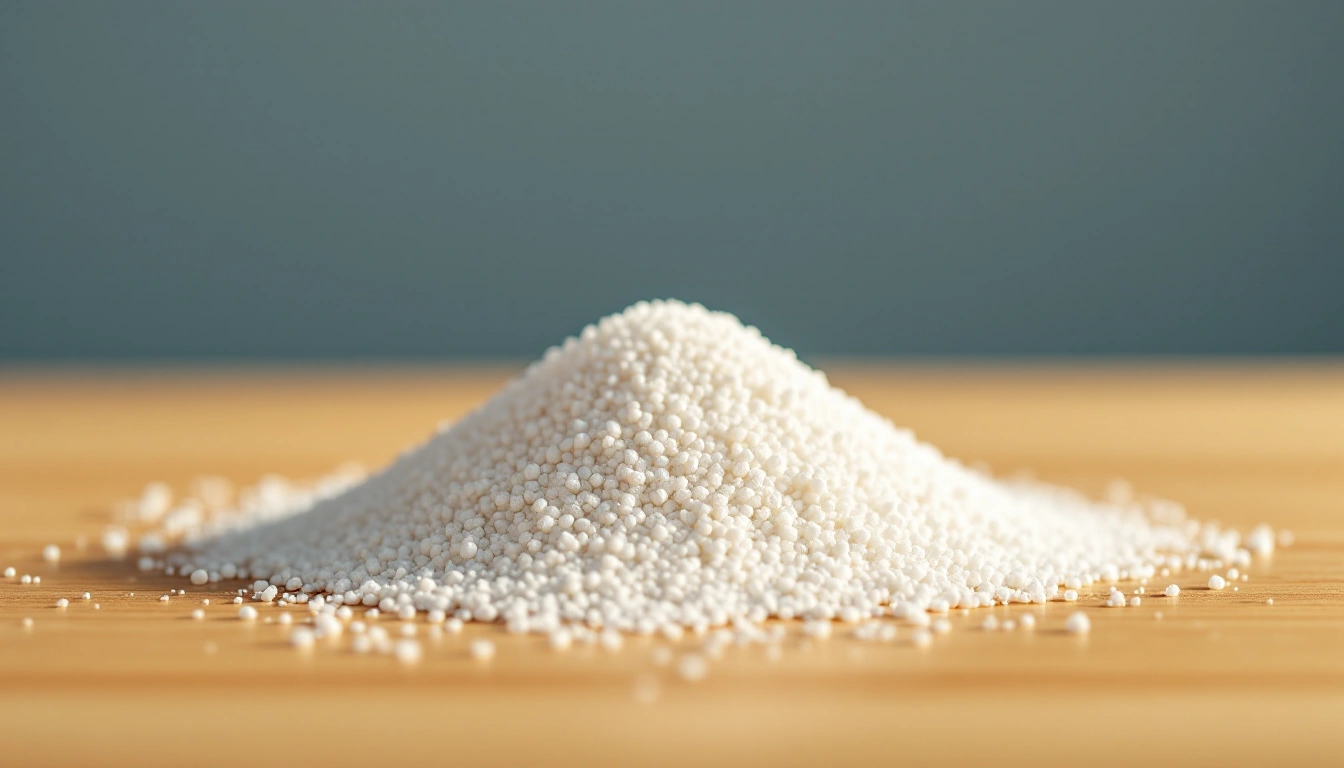
| Appearance | Small, white, lightweight particles that look similar to popcorn or foam beads |
| Main use | Blended into potting soil to improve drainage and aeration |
| Water retention | Very low - water passes through and around it rather than soaking in |
| Reusable | Yes, since it's a mineral and doesn't break down like organic matter, though it can float or wash out over time |
Scroll for more →
What's covered14
- How perlite is made
- Why it's used in potting mixes
- How much perlite belongs in a mix
- Perlite outside of potting mix
- Handling and storage
- Perlite vs the alternatives
- Perlite vs pumice
- Grades and particle sizes
- Does perlite affect soil pH or fertility?
- A brief note on perlite's other uses
- What to look for when buying perlite
- How perlite interacts with watering habits
- Perlite's role in preventing compaction
- A note on where perlite comes from geographically
Your choice of perlite affects water and air around the roots. Compare perlite by drainage, water storage, and fit for the plant. Use this perlite guide to see the main trade-offs.
- Perlite is a lightweight, porous mineral used in potting mixes to improve drainage and let more air reach plant roots. It starts as volcanic glass, then gets heated until it expands into small, white particles that look a bit like foam beads or popcorn, and it's one of the most common additives in bagged potting soil.
How perlite is made
- Perlite begins as a natural volcanic glass mined from the ground. The raw material is crushed to a workable size, then heated rapidly to a very high temperature. Trapped water inside the glass instantly turns to steam, and that steam expansion causes the material to puff up dramatically, similar to how a kernel of corn pops. What comes out the other end is a lightweight particle riddled with tiny air pockets, which is why perlite feels almost weightless compared to its size.
Why it's used in potting mixes
- The tiny air pockets that give perlite its light weight are also what make it useful in soil. Mixed through potting soil, perlite particles keep the soil from compacting into a dense mass, creating small gaps that let water drain through instead of pooling and let oxygen reach the roots even in damp soil. Roots that sit too long in waterlogged, low-oxygen soil are more prone to rot, so this aeration effect matters for plant health, not just for keeping the surface looking dry.
How much perlite belongs in a mix
- The right amount depends heavily on the plant. General houseplants that want soil to dry out somewhat between waterings typically do well with 10 to 25 percent perlite mixed into potting soil. Succulents and cacti, which want the mix to dry out fast and fully, often call for 30 to 50 percent. Plants that prefer consistently moist soil, like many ferns, may need very little or none at all. For the full breakdown on ratios and mixing, see perlite potting.
Perlite outside of potting mix
Beyond blending into potting soil, perlite shows up in a few other common gardening uses:
Seed starting mixes, where its drainage properties help prevent damping-off, a fungal issue caused by soil staying too wet around young seedlings.
Rooting cuttings, where some growers use straight perlite (kept consistently moist) as a low-mess medium for encouraging new roots before transplanting into soil.
Semi-hydroponic setups, sometimes as a component alongside other inert media.
A bag of horticultural perlite covers a wide range of these uses since only a portion of most mixes is perlite by volume.
Handling and storage
- Dry perlite can produce fine dust when poured or stirred, which is worth avoiding breathing in large amounts of. Lightly dampening it with water before mixing keeps the dust down. Stored in a dry container, it doesn't degrade or lose effectiveness over time the way organic soil components can.
Perlite vs the alternatives
- Perlite isn't the only mineral additive used for drainage - pumice and coarse sand do a similar job, and vermiculite is a related-looking material that behaves very differently, holding far more water than perlite does. For that specific comparison, see perlite vs vermiculite.
Perlite vs pumice
- Pumice is another natural volcanic material sometimes used in the same role as perlite. Unlike perlite, pumice isn't heated and expanded during processing - it's a naturally porous volcanic rock that's simply crushed and screened to size. Pumice is heavier than perlite, which makes it less prone to floating to the surface of a pot after repeated watering, and some growers prefer it for that reason in mixes that get watered frequently. Perlite is generally cheaper and more widely available, which is why it remains the more common choice for most home growers.
Grades and particle sizes
- Perlite is sold in a few different particle sizes, often labeled coarse, medium, or fine. Coarser grades create larger air pockets and are often preferred for succulent and cactus mixes or for propagating cuttings, where maximum drainage matters most. Finer grades blend more seamlessly into a standard potting mix and are common in seed-starting blends where a very fine, even texture helps with delicate young roots. Most bagged horticultural perlite sold for general home use is a medium grade suited to a wide range of purposes without needing to hunt for a specific size.
Does perlite affect soil pH or fertility?
- Perlite is chemically close to inert. It doesn't meaningfully change the pH of a mix, and it doesn't add or remove nutrients on its own. Its entire contribution to a mix is physical and structural - creating space for air and water movement - rather than chemical. This is part of why it pairs well with almost any organic base material, since it doesn't interact with or interfere with whatever nutrients or pH characteristics that base material brings.
A brief note on perlite's other uses
- Beyond horticulture, expanded perlite is also used in construction as a lightweight insulating and aggregate material, and in some industrial filtration applications. Horticultural perlite sold for gardening is generally a different, more consistent grade than construction-grade perlite, so it's best to buy the bag specifically labeled for gardening or horticultural use rather than substituting a construction product.
What to look for when buying perlite
- Bags of horticultural perlite are usually sold by volume rather than weight, since the material is so lightweight that weight isn't a useful measure for how much you're getting. Checking the bag for its intended use - horticultural or gardening grade - helps make sure you're not accidentally picking up a construction- or industrial-grade product from a hardware store aisle, since those can differ in particle size and processing from what's meant for potting mixes. Most garden centers and nurseries carry perlite specifically labeled for gardening use, which is the safer default if you're unsure.
How perlite interacts with watering habits
- Because perlite doesn't hold much water itself, a perlite-heavy mix depends more on the organic component and on your watering frequency to keep the plant adequately hydrated between waterings. This is part of why a very high perlite ratio isn't automatically better: at some point, the mix drains so efficiently that water and any dissolved fertilizer pass through before the plant's roots have much chance to take them up, which can mean more frequent watering and feeding than a more balanced mix would require.
Perlite's role in preventing compaction
- Beyond its direct drainage benefit, perlite plays a longer-term structural role in a potting mix. Organic components like peat or coco coir naturally compact and lose volume as they break down under repeated watering over months and years. Because perlite is a rigid mineral particle that doesn't compress or decompose the same way, it helps the overall mix resist full compaction for longer, maintaining some of its original air-holding structure even as the organic portion around it settles and shrinks. This is one reason a perlite-amended mix often needs less frequent full repotting than a straight organic mix with no mineral component at all.
A note on where perlite comes from geographically
- Perlite deposits occur in various volcanic regions around the world, and horticultural perlite is processed at facilities that crush and expand the raw ore before packaging it for garden centers and nurseries. Because it's derived from a geological deposit rather than an annual crop, supply isn't seasonal the way some organic soil amendments can be, and it tends to be reliably available year-round on store shelves.
FAQ
What is perlite made of?
Perlite starts as a natural volcanic glass, similar in origin to obsidian. When crushed and heated rapidly to a high temperature, trapped water inside the glass turns to steam and expands the material dramatically, similar to how popcorn pops, leaving behind a lightweight, porous particle full of tiny air pockets.
Is perlite safe to touch and use indoors?
Yes, for general handling. The main precaution is dust - dry perlite can release fine dust when poured or mixed, which can irritate the eyes or lungs if inhaled in quantity. Lightly dampening it before mixing, or working in a ventilated space, cuts down on the dust.
Does perlite ever wear out or need replacing?
Perlite itself doesn't decompose the way organic matter does, so it doesn't "wear out" chemically. Over time it can crush slightly under repeated handling, float to the surface of a pot after repeated watering, or wash out through drainage holes, at which point topping up a mix with fresh perlite is reasonable.
Can perlite be used for anything besides potting mix?
Yes. Outside of potting mixes, perlite is also used in seed starting, as a standalone rooting medium for cuttings, and in some hydroponic or semi-hydroponic setups. It shows up in construction materials too, though that's a different grade and use case from horticultural perlite.