
Potting & Soil Mixes
Perlite vs Vermiculite: Which One Your Mix Needs
The short answer
Perlite improves drainage and aeration by creating air pockets that don't hold much water, while vermiculite holds significantly more water and some nutrients - pick perlite for fast-draining mixes like succulent soil, and vermiculite for moisture-retentive mixes or seed starting.
Last updated September 2026
| What it is | Perlite: expanded volcanic glass. Vermiculite: expanded mica mineral |
|---|---|
| Water retention | Perlite: low, drains quickly. Vermiculite: high, holds water like a sponge |
| Aeration | Perlite: excellent, creates lasting air pockets. Vermiculite: less aeration since it compresses and absorbs water |
| Weight | Both are lightweight, but vermiculite gets heavier as it absorbs water while perlite stays light |
| Best use case | Perlite: succulent/cactus mixes, general drainage. Vermiculite: seed starting, moisture-loving plants |
Scroll for more →
What's covered15
- What each material is
- Perlite vs vermiculite side by side
- When to reach for perlite
- When to reach for vermiculite
- Using both together
- How each material is made
- Why the structural difference matters
- Weight and handling differences
- Cost and availability
- Common mistakes with each
- Aeration over time
- Using each in seed starting specifically
- Rooting cuttings: another point of difference
- Environmental and mining considerations
- The short version
Perlite and vermiculite serve different needs in a plant pot. This guide compares perlite with vermiculite. Choose the one that fits your plant and care routine.
- Perlite drains fast and holds very little water, making it the go-to for aeration in potting mixes, while vermiculite holds a lot of water and some nutrients, making it better suited to moisture-retentive mixes and seed starting. They're both lightweight mineral additives, but they solve close to opposite problems.
What each material is
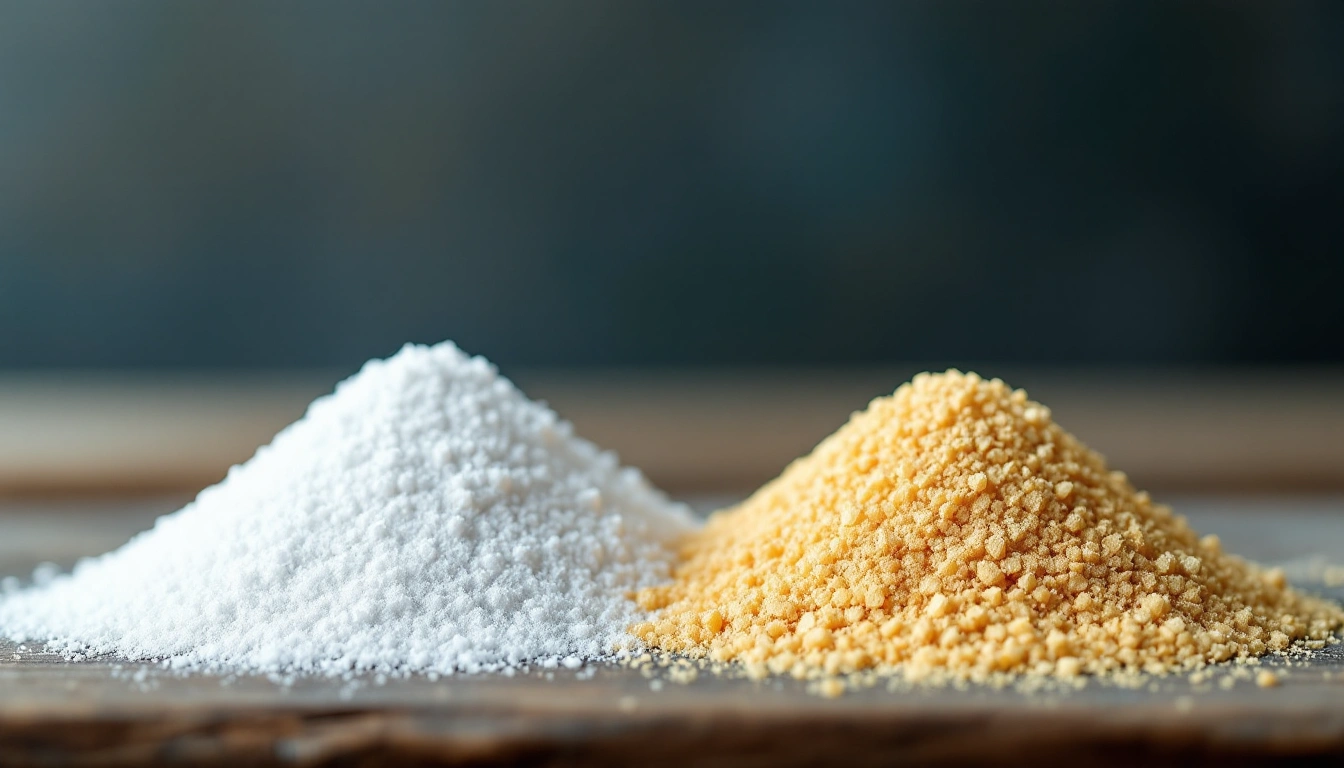
Perlite is a volcanic glass that's heated until it expands into small, lightweight, popcorn-like particles full of tiny air pockets. Those air pockets are why it doesn't hold much water - water runs through and around the particles instead of soaking in.
Vermiculite is a mica-based mineral that's also heated to expand, but its structure is made of thin, accordion-like layers that absorb and hold water between them, much like a sponge. That same layered structure holds onto some nutrients as well, releasing them gradually.
Perlite vs vermiculite side by side
| Perlite | Vermiculite | |
|---|---|---|
| Material | Expanded volcanic glass | Expanded mica |
| Water retention | Low - drains quickly | High - holds water like a sponge |
| Aeration | Excellent, lasting air pockets | Limited once saturated with water |
| Nutrient holding | Minimal | Holds some nutrients, releases gradually |
| Weight | Light, stays light when wet | Light when dry, heavier once wet |
| Typical use | Succulent/cactus mixes, general drainage | Seed starting, moisture-loving plants |
Scroll for more →
When to reach for perlite
- Perlite is the right call whenever the goal is drainage and air movement through the soil. That covers succulent and cactus mixes, general houseplant mixes for plants prone to root rot in soggy soil, and any recipe where you're trying to keep soil from compacting into a dense, water-holding block over time.
When to reach for vermiculite
- Vermiculite fits situations where you want the soil to hold onto moisture longer, or where an even, consistent moisture level matters more than fast drying. Seed starting is the classic example: seeds and young roots benefit from steady moisture without the soil drying out between waterings, and vermiculite's water-holding structure helps provide that. It's also useful in mixes for moisture-loving houseplants that don't want the soil drying out quickly.
Using both together
Because they solve different problems, combining perlite and vermiculite in one mix is a common approach for plants that want a balance - good drainage so the soil doesn't stay waterlogged, but enough water retention that it doesn't dry out too fast between waterings. The right ratio depends on the plant: lean more toward perlite for anything drought-tolerant, and more toward vermiculite for anything that wants consistent moisture.
A bag of horticultural perlite and a bag of vermiculite together cover most of the range between fast-draining and moisture-retentive mixes.
How each material is made
- Both perlite and vermiculite go through a similar manufacturing process despite coming from different raw minerals. Perlite starts as volcanic glass, crushed and then heated rapidly to a high temperature, which causes trapped water inside to flash into steam and expand the particle dramatically, similar to popcorn popping. Vermiculite starts as raw mica ore, which is heated in a similar way, causing it to expand along its natural layered structure into small, accordion-like flakes. The shared "heated and expanded" process is why the two materials look somewhat similar in a bag despite behaving very differently in soil.
Why the structural difference matters
Perlite's structure is closer to a solid particle riddled with small internal air pockets. Water can't easily get inside those pockets, so it mostly moves around the particles rather than being absorbed, which is the root cause of its low water retention and excellent drainage behavior.
Vermiculite's structure is layered, like a tiny accordion or stack of thin plates. Water gets drawn in between those layers through capillary action and stays there, which is why vermiculite holds so much more water by weight than perlite does, and why it also holds onto some dissolved nutrients that ride along with that water.
Weight and handling differences
- Dry, both materials are lightweight and easy to handle, but they diverge once water gets involved. Perlite stays light even when wet, since it isn't absorbing much water into its structure. Vermiculite becomes noticeably heavier once saturated, since it's genuinely holding onto that water rather than just being surrounded by it. This has a practical effect on pot weight: a vermiculite-heavy mix in a large container will be heavier to move after watering than a comparable perlite-heavy mix.
Cost and availability
- Both materials are widely available at garden centers and hardware stores in bags of varying sizes, usually sold as standalone products alongside bagged potting soil. Neither is a rare or specialty item, and both are common enough that most general-purpose potting mixes on store shelves already contain one or the other, or occasionally both.
Common mistakes with each
- With perlite, the most common mistake is using far more than a plant needs, resulting in a mix that dries out faster than intended and doesn't hold enough water or nutrients for the plant to use between waterings. With vermiculite, the common mistake runs the other way: using it as the main component of a mix for a plant that actually wants to dry out between waterings, like a succulent, which leaves the roots sitting in more moisture than they can tolerate.
Aeration over time
- One long-term difference worth knowing: perlite tends to hold its aeration properties for a long time since it's a rigid mineral particle that doesn't compress easily under normal handling. Vermiculite's layered structure, by contrast, can gradually compress and lose some of its air-holding ability after repeated wetting and drying cycles or physical handling over years of reuse. For mixes that will sit in the same pot for a long stretch without repotting, this means perlite tends to keep providing its aeration benefit more consistently over the life of the mix, while vermiculite's contribution can diminish somewhat with age.
Using each in seed starting specifically
- Seed-starting mixes deserve a closer look since it's one of the clearest cases where the two materials' differences translate directly into a recommendation. Germinating seeds need consistent moisture right at the surface, since a young root or emerging shoot can dry out and die quickly if the top layer of the mix dries out even briefly. Vermiculite's water-holding capacity helps maintain that even moisture at the surface, which is why it's a common ingredient in commercial seed-starting blends, sometimes even used as a thin top layer over the germinating seeds themselves to help retain surface moisture. Perlite, by contrast, is more often used in seed-starting mixes as a smaller supporting ingredient for aeration rather than the primary moisture-holding component.
Rooting cuttings: another point of difference
- Some growers use one or the other as a standalone rooting medium for cuttings, bypassing soil entirely until roots form. Perlite used this way needs to be kept consistently moist by the grower, since it won't hold water on its own for long between waterings. Vermiculite used the same way holds moisture longer between waterings, which can suit growers who don't want to check on cuttings daily, though the trade-off is a slightly higher risk of rot if the vermiculite stays oversaturated for too long without adequate airflow.
Environmental and mining considerations
- Both materials are mined from the ground - perlite from volcanic glass deposits, vermiculite from mica ore deposits - and neither is renewable in the way an agricultural byproduct like coco coir is. Neither material carries the same specific sustainability discussion that surrounds peat bogs, since the mining processes and deposit sizes for these two minerals are a different situation from slow-forming organic peat, but they are still finite, extracted mineral resources rather than a renewable crop byproduct.
The short version
- If the plant needs fast drainage and doesn't want to sit in moisture, use perlite. If the plant or situation calls for steady, even moisture - like seed starting - vermiculite does that job better. For more on perlite specifically, including how it's made and its full range of uses, see the perlite overview.
FAQ
Can I use perlite and vermiculite together?
Yes, and many growers do. Combining them lets you balance drainage and moisture retention in one mix - perlite keeps the mix from staying soggy while vermiculite helps it hold onto some water and nutrients between waterings. The ratio depends on how much of each property the specific plant needs.
Which one is better for succulents?
Perlite, generally. Succulents want soil that dries out quickly, and perlite's low water retention supports that. Vermiculite's high water-holding capacity works against the fast-drying goal succulents need, so it's not the typical choice for cactus or succulent mixes.
Is vermiculite good for seed starting?
Yes, vermiculite is commonly used in seed-starting mixes because it holds moisture evenly around delicate seeds and young roots, which helps keep germination conditions consistent. It also holds onto some nutrients, releasing them gradually, which can help support new growth.
Does perlite or vermiculite affect soil pH?
Neither has a strong effect on pH in typical use. Both are treated as close to pH-neutral for practical potting purposes, so the choice between them is mostly about water retention and aeration rather than pH.