
Potting & Soil Mixes
What Is Perlite? How It's Made and Why It's Used
The short answer
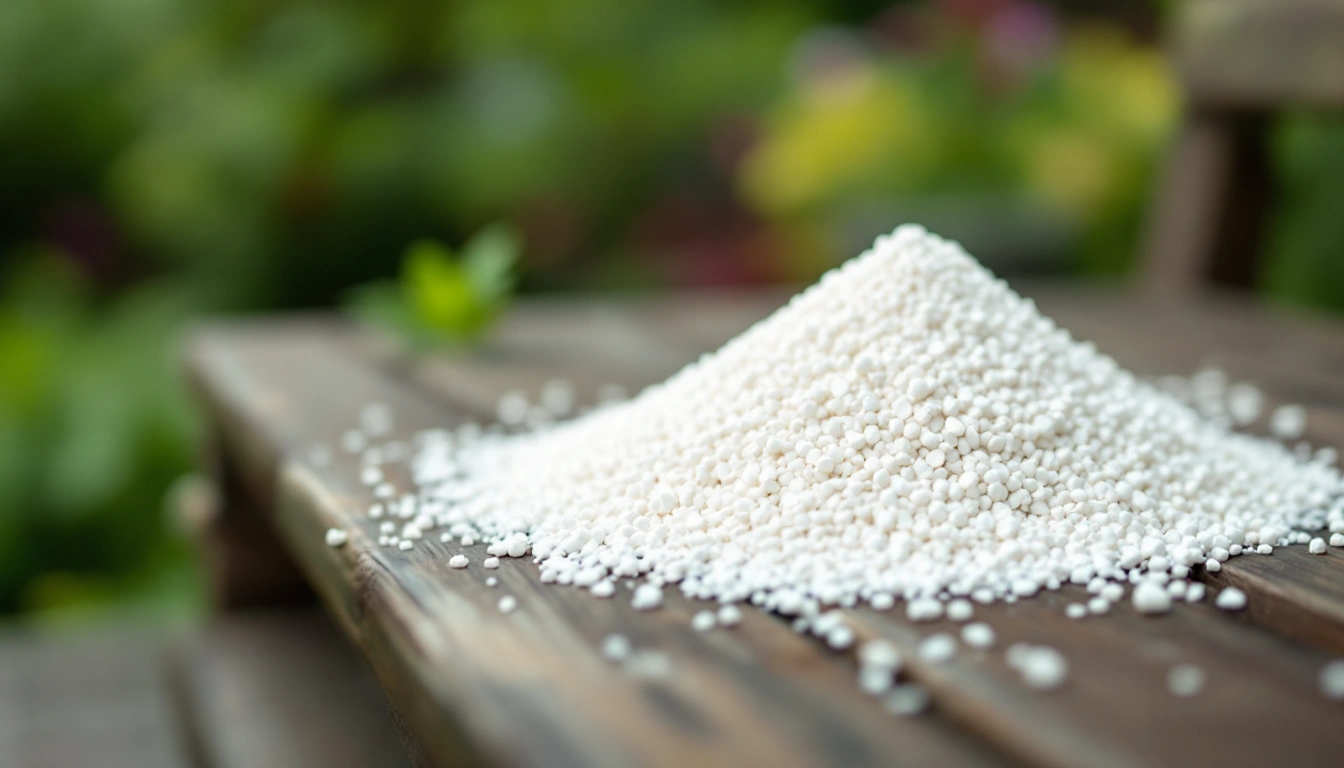
Perlite is a naturally occurring volcanic glass that's mined, crushed, and heated to roughly 1,600°F until trapped water turns to steam and expands it into the lightweight, white granules seen in potting mixes.
Last updated September 2026
| Raw material | A volcanic glass formed when lava with high water content cools rapidly |
|---|---|
| Processing | Crushed to size, then heated in a furnace until trapped water vaporizes and expands the particles |
| Expansion ratio | The heating process can expand raw perlite many times its original volume |
| Why it's used | Lightweight, sterile, and porous, so it creates air pockets in soil without adding much weight or nutrients |
Scroll for more →
What's covered11
- Where perlite comes from
- How raw perlite becomes garden perlite
- Why perlite works so well in potting mixes
- Perlite vs. pumice
- Grades and sizes of perlite
- Other uses for perlite beyond potting mixes
- How to tell good-quality horticultural perlite
- Limitations worth knowing
- Perlite's role in different potting mix recipes
- A quick history of perlite's use in horticulture
- Bottom line
Perlite has a clear role in a plant pot. This guide explains what perlite is. It also shows when to use it.
- The short answer to what is perlite: it's a naturally occurring volcanic glass that's mined, crushed, and heated until it expands into the lightweight, white granules commonly seen in potting mixes. The raw mineral itself doesn't look anything like the fluffy material sold in bags - that transformation happens entirely through processing.
Where perlite comes from
- Perlite forms when volcanic lava with a high water content cools very quickly, trapping that water inside a glassy mineral structure. This raw material, sometimes called volcanic glass, is mined from deposits found in several countries with volcanic activity, then shipped to processing facilities for the next step.
How raw perlite becomes garden perlite
The raw mined material is crushed and screened to a consistent particle size, then fed into a furnace and heated to roughly 1,600°F (about 870°C). At that temperature, the water trapped inside the glass instantly turns to steam. Because the steam can't escape all at once, it expands the softened glass around it, similar to how popcorn kernels expand when heated. The result is a lightweight, porous, popcorn-like particle that's a fraction of the density of the raw mineral it came from.
This expansion process is why perlite is often described as both a natural and a manufactured product: the underlying mineral is entirely natural, but the light, airy form used in gardening only exists after a deliberate industrial heating step.
Why perlite works so well in potting mixes
The heating process leaves perlite full of tiny internal air pockets, which gives it three properties that make it useful in soil:
It's very lightweight, adding almost no weight to a potting mix compared to sand or other drainage materials.
It's porous and holds some water on its surface, while still allowing excess water to drain past it rather than pooling.
It's sterile and essentially inert, meaning it doesn't introduce pests, weed seeds, or disease, and it doesn't affect a mix's nutrient content or pH.
Mixed into potting soil, perlite creates air pockets that prevent the soil from compacting into a dense, water-holding mass, which is the main reason it shows up in nearly every fast-draining potting mix recipe.
Perlite vs. pumice
- Perlite is often confused with pumice, another volcanic material used for the same drainage purpose. The key difference is that pumice is naturally porous straight out of the ground, formed by trapped gas bubbles as lava cooled, while perlite only becomes porous through the deliberate heating and expansion process described above. Pumice also tends to be denser and less likely to float in soil than perlite.
Grades and sizes of perlite
- Perlite is sold in different particle sizes, sometimes labeled coarse, medium, or fine grade. Coarser grades tend to stay put in soil longer and create bigger air pockets, which suits potting mixes for larger plants. Finer grades blend more evenly into a mix but can float more readily and pack tighter around roots, which suits seed-starting or very fine-rooted plants. Horticultural perlite, the type meant for gardening, is a different product from the perlite used in construction and industrial insulation, even though both come from the same base material.
Other uses for perlite beyond potting mixes
- Because it's so lightweight and heat-resistant, perlite shows up in several industries beyond gardening. It's used as loose-fill insulation in masonry walls, as a lightweight aggregate in certain concrete and plaster mixes, and as a filtration aid in some industrial processes. The horticultural perlite sold at garden stores is processed and screened specifically for plant use, so it's not identical to the industrial-grade material, even though the manufacturing process is similar.
How to tell good-quality horticultural perlite
- Quality horticultural perlite should look like small, irregular white or off-white granules with a rough, popcorn-like texture. A bag with a lot of fine dust and very little intact granular structure has likely broken down more than it should have during processing or shipping. Dampening perlite slightly before handling cuts down on the dust, which can otherwise be irritating to breathe indoors.
Limitations worth knowing
Perlite's biggest practical downside is that its light weight can cause it to float toward the surface of a pot over time as water moves through the soil during watering. It also produces some dust when handled dry, which can be irritating to breathe, so lightly dampening a bag before mixing is a reasonable precaution.
A bag of perlite is widely available and simple to work into most potting mixes that need better drainage.
Perlite's role in different potting mix recipes
- The proportion of perlite in a mix shifts depending on what the mix is built for. A general houseplant mix might include a modest amount of perlite for basic aeration. A succulent or cactus mix leans much more heavily on perlite or a similar mineral material, sometimes making up close to half the total volume, since those plants need water to drain through especially fast. Seed-starting mixes often use finer perlite grades in smaller proportions, prioritizing an easy-to-penetrate texture for young roots over maximum drainage speed.
A quick history of perlite's use in horticulture
- Perlite's expansion process was developed and commercialized in the mid-20th century, initially valued for construction and industrial insulation uses before its horticultural applications became widely recognized. Its combination of light weight, sterility, and porosity made it a natural fit for the same wave of standardized, soilless potting mix development that also popularized peat moss as a base ingredient, and it has remained one of the most common drainage amendments in commercial and home potting mixes since.
Bottom line
- Perlite starts as a natural volcanic glass and becomes the familiar lightweight garden material only after being crushed and heated until trapped water expands it. That expanded structure is what makes it useful for improving drainage and aeration in potting soil. For how to use it in a specific buying context, see the perlite guide, or pumice vs. perlite for a direct comparison of the two materials.
FAQ
Is perlite the same as pumice?
No. Both are volcanic materials used for similar drainage purposes, but pumice is naturally porous rock formed by trapped gas bubbles, while perlite is a different volcanic glass that only becomes porous after being deliberately heated and expanded during manufacturing.
Is perlite natural or man-made?
The raw material is entirely natural, mined from volcanic deposits. The lightweight, expanded form sold in garden stores is the result of an industrial heating process, so the finished product is a manufactured version of a natural material.
Does perlite have any nutrients?
No. Perlite is essentially inert and sterile. It contributes no meaningful nutrients to soil and doesn't affect pH. Its only role is physical - creating air pockets and improving drainage.
Why does perlite float to the top of a pot over time?
Perlite is very lightweight, and repeated watering can gradually carry the lighter particles upward through the soil, causing them to accumulate near the surface. This doesn't harm the mix, but it does mean less perlite stays distributed through the root zone over time.