
Potting & Soil Mixes
Pumice vs Perlite: Which Should You Use?
The short answer
Pumice and perlite both improve drainage and aeration in potting mixes, but pumice is a denser natural volcanic rock that holds up longer without floating or breaking down, while perlite is lighter, more widely available, and generally cheaper.
Last updated September 2026
| Material | Pumice is a naturally porous volcanic rock; perlite is volcanic glass heated until it expands into lightweight granules |
|---|---|
| Weight | Pumice is noticeably denser and heavier than perlite for the same volume |
| Floating in soil | Perlite can float to the surface over repeated watering; pumice generally stays put because it's heavier |
| Longevity | Pumice tends to resist breaking down over years of use; perlite can crush or degrade faster over time |
| Availability and cost | Perlite is more widely sold and typically cheaper; pumice is less common and can cost more where it's sold |
Scroll for more →
What's covered13
- What each material actually is
- Pumice vs. perlite at a glance
- Where pumice has the edge
- Where perlite has the edge
- How much to use in a mix
- Which one should you use
- How each material performs in specific plant setups
- Environmental and sourcing differences
- Price and value over time
- Handling and safety notes
- Using pumice or perlite outside of soil mixes
- Buying tips for either material
- Bottom line
Pumice and perlite serve different needs in a plant pot. This guide compares pumice with perlite. Choose the one that fits your plant and care routine.
- Pumice vs perlite: both do the same basic job in a potting mix - they create air pockets that let water drain through instead of pooling around roots. The real difference is durability and weight: pumice is a dense, naturally porous volcanic rock that holds up for years without floating or breaking down, while perlite is a lighter, cheaper, more widely available material that can rise to the surface and degrade faster over time.
What each material actually is
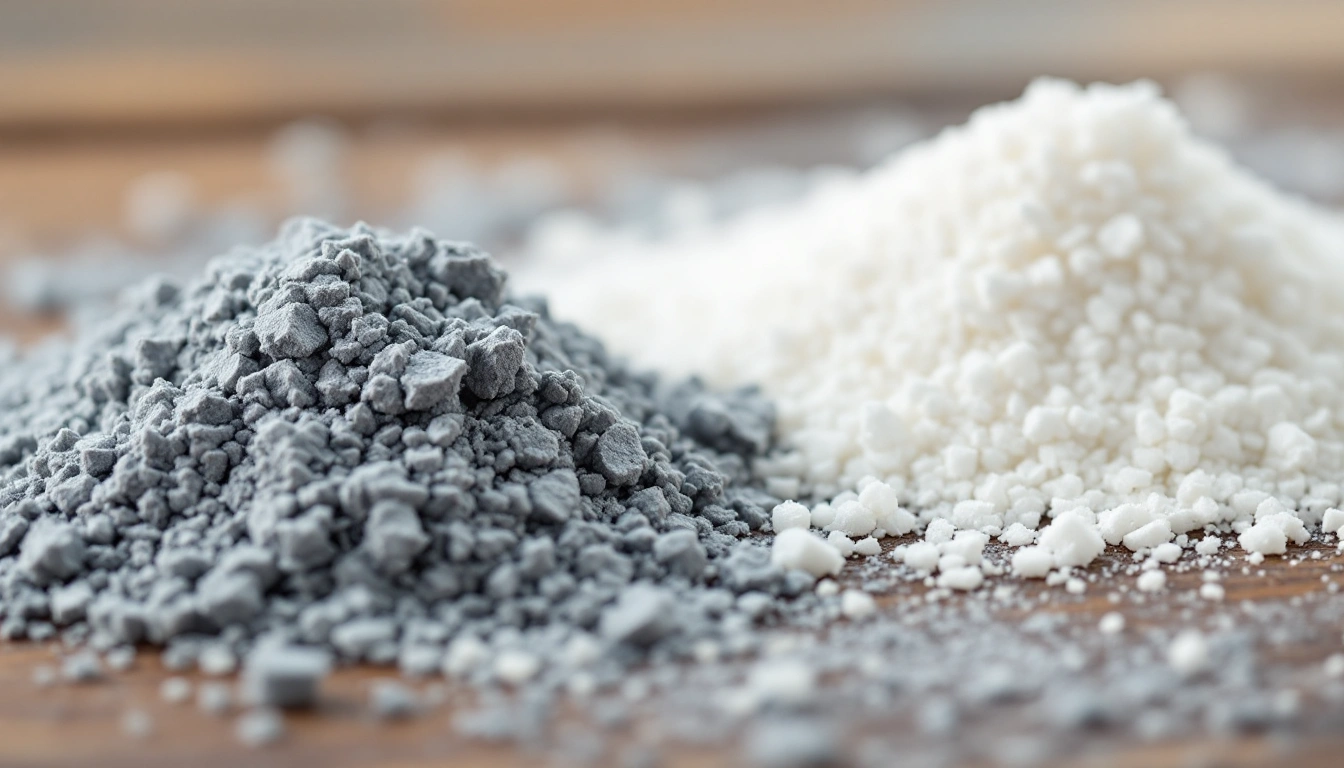
Pumice forms when volcanic lava cools quickly and traps gas bubbles inside, leaving behind a lightweight but structurally solid rock full of tiny pores. It's mined and screened to size, not manufactured.
Perlite starts as a different type of volcanic glass, called obsidian's cousin material, that's crushed and then heated to around 1,600°F (870°C). At that temperature, water trapped inside the glass turns to steam and expands the material like popcorn, creating the familiar white, lightweight granules sold in bags.
Both end up porous and good at holding air and some water on their surface, which is why both work for drainage. But the way they're formed explains why they behave so differently in a pot.
Pumice vs. perlite at a glance
| Pumice | Perlite | |
|---|---|---|
| Origin | Natural volcanic rock | Volcanic glass, heat-expanded |
| Weight | Heavier, denser | Very lightweight |
| Floats in soil? | Rarely | Yes, over time with watering |
| Breaks down over time? | Slowly, holds structure well | Can crush or degrade faster |
| Typical cost | Often more expensive | Generally cheaper |
| Availability | Less common, regional | Widely sold at most garden stores |
| Dust when handling | Minimal | Can be dusty, especially fine grades |
Scroll for more →
Where pumice has the edge
- Because pumice is denser, it tends to stay mixed through the soil instead of floating up after repeated watering. It also resists breaking down structurally over years of use, which matters for plants that don't get repotted often, like large succulents or bonsai. Growers who want a long-term mix that keeps its drainage properties without frequent refreshing often reach for pumice.
Where perlite has the edge
Perlite is cheaper and much easier to find - most garden centers, hardware stores, and general retailers carry it. It's also lighter to handle and ship, which keeps costs down. For growers who repot every year or two anyway, perlite's tendency to float or break down slightly over time matters less, since the mix gets refreshed before it becomes a real problem.
A bag of perlite is the more common and budget-friendly starting point if you're building a basic well-draining mix.
How much to use in a mix
- Regardless of which material you choose, the proportion matters more than the choice between the two. A common approach for a general well-draining mix is roughly one part pumice or perlite to two or three parts potting soil, adjusted looser for succulents and cacti and closer to that ratio, or slightly less, for general houseplants that still want good drainage but not the extreme dryness cacti prefer. Using too little of either material won't meaningfully improve drainage; using far more than needed can leave a mix too dry for plants that want some moisture retention.
Which one should you use
For most home houseplant growers, perlite is the practical default: it's cheap, easy to find, and works fine for mixes that get refreshed on a normal repotting schedule. Pumice is worth seeking out when:
You're potting something you don't plan to repot often, like a large or slow-growing succulent.
You've noticed perlite floating to the surface in a mix you want to last longer.
You want a heavier mix for stability in a top-heavy plant or a windy outdoor spot.
There's no rule against using both in the same batch - some growers blend pumice and perlite to get pumice's long-term structure with perlite's lower cost for bulking up volume.
How each material performs in specific plant setups
In succulent and cactus mixes, both materials do the core job of preventing compaction, but the choice often comes down to how often you plan to repot. A collection that gets repotted every year or two does fine with perlite, since any floating or breakdown gets reset at each repotting. A specimen plant left in the same pot for many years benefits more from pumice's staying power.
In seed-starting mixes, perlite's light weight and fine grades are generally preferred, since seedlings need a light, easy-to-penetrate medium and don't stay in the mix long enough for perlite's long-term drawbacks to matter.
In bonsai and other long-term container plantings, pumice is a common choice specifically because these plantings are meant to stay in the same soil for years, where a material that resists breaking down matters more than upfront cost.
In outdoor container gardens exposed to heavy rain or wind, pumice's extra weight can also help anchor a mix and a pot, where perlite's lightness makes it more prone to washing out of a container entirely during a downpour.
Environmental and sourcing differences
- Both materials are mined from volcanic deposits, but the extraction and processing differ. Pumice is used largely as mined and screened to size, with comparatively simple processing. Perlite requires an energy-intensive heating step, expanding it in a furnace at high temperature, which adds a manufacturing footprint that raw pumice doesn't have. Neither material is scarce on a global scale, but availability varies significantly by region depending on proximity to volcanic deposits and processing facilities.
Price and value over time
- Pumice typically costs more upfront per bag or by volume, largely due to more limited regional availability and mining costs. Perlite is cheaper to buy initially but may need replacing or supplementing sooner if a grower notices it floating or breaking down in mixes that don't get repotted often. Over a long enough time horizon with infrequent repotting, pumice's higher upfront cost can be offset by not needing to top off or replace the material as often - though for most home growers who repot on a normal one-to-two-year cycle, this cost difference rarely becomes significant either way.
Handling and safety notes
- Perlite dust can be irritating to breathe, especially with finer grades, so it's worth dampening the bag slightly before mixing or wearing a basic dust mask indoors. Pumice produces less dust generally, but the same basic precaution applies with any dry mineral amendment.
Using pumice or perlite outside of soil mixes
- Both materials have uses beyond blending into potting soil. A layer of pumice or perlite at the bottom of a pot is sometimes used as a drainage layer, though this practice is debated among growers - a thin layer can help in specific situations, but it doesn't substitute for adjusting the mix itself, and an overly thick layer can sometimes create a perched water table right above it. Pumice on its own, without any soil mixed in, is also used as a standalone growing medium for some succulent propagation and semi-hydroponic setups, taking advantage of its stability and the fact that it doesn't break down or compact the way organic material does.
Buying tips for either material
When shopping for pumice or perlite, a few practical checks apply to both:
- Compare by volume, not bag weight, since perlite in particular is sold by volume and a "large" bag can still be lightweight.
- Look for horticultural-grade product rather than industrial or construction-grade material, which may be processed differently or contain additives not suited for plants.
- Check particle size against your intended use - finer grades suit seed starting and small pots, coarser grades suit larger containers and long-term plantings.
Bottom line
- Pumice and perlite both improve drainage and aeration, and either one will work in a standard succulent, cactus, or general potting mix. Pumice costs more but lasts longer and stays put in the mix; perlite is cheaper and easier to find but floats and breaks down faster over time. For more on perlite specifically, see the perlite buying guide or what is perlite for how it's made.
FAQ
Can I use pumice and perlite together in the same mix?
Yes. Some growers blend both, using pumice for long-term structure and perlite to bulk up volume affordably. There's no horticultural downside to combining them, as long as the overall mix still drains well.
Is pumice better than perlite for succulents and cacti?
Both work well for succulents and cacti. Pumice is a common choice for growers who want a mix that holds its structure for many years without repotting, while perlite works fine for most home growers who repot every year or two anyway.
Why does perlite float to the top of my pot?
Perlite is very lightweight and can rise to the surface as water moves through the soil, especially with repeated heavy watering. This doesn't ruin the mix, but it does mean less of it stays mixed through the root zone over time.
Does pumice or perlite affect soil pH?
Neither pumice nor perlite meaningfully changes soil pH. Both are essentially inert minerals used for drainage and aeration rather than for any nutrient or pH effect.