
Potting & Soil Mixes
LECA: What It Is and When to Use It Instead of Soil
The short answer
LECA (lightweight expanded clay aggregate) is a reusable, soil-free growing medium best paired with a reservoir system - it fits plants you're moving to full or partial hydroponics, not a drop-in swap for potting mix in a normal pot.
Last updated September 2026
| What it is | Small, round, baked clay balls, hollow and porous inside |
|---|---|
| How plants use it | Roots grow into the moist air pockets between the balls; a water reservoir sits below or beside them |
| Reusable | Yes - rinse and re-bake or sterilize between plants; it doesn't break down like soil |
| Needs | A reservoir or self-watering setup, and usually a nutrient solution since LECA has no nutrients of its own |
| Not a fit for | A plant staying in regular potting soil with no reservoir - LECA alone in a normal pot dries out fast and has nothing to feed the plant |
Scroll for more →
What's covered7
Your choice of leca affects water and air around the roots. Compare leca by drainage, water storage, and fit for the plant. Use this leca guide to see the main trade-offs.
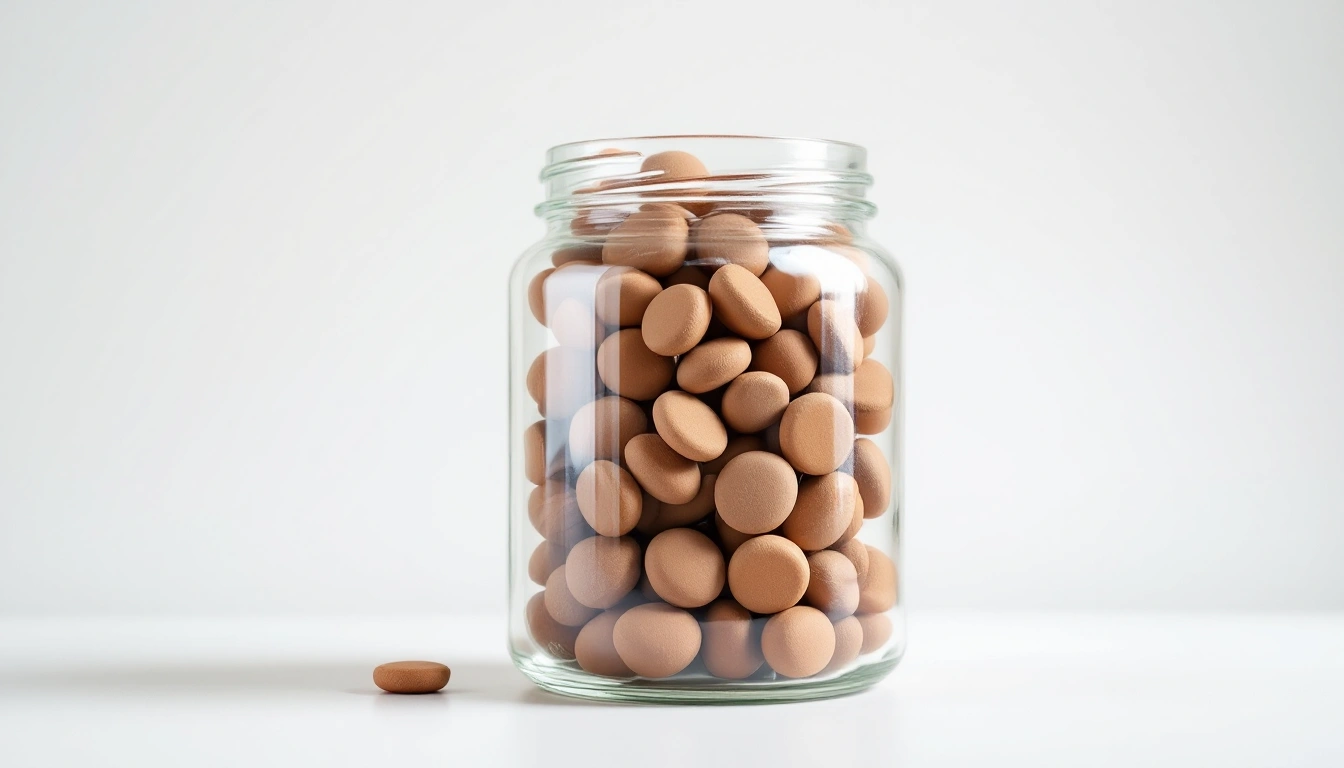
- LECA stands for lightweight expanded clay aggregate: small, round, baked clay balls that are hollow and porous inside. It's a reusable alternative to soil, but it only works properly as part of a reservoir setup - dropped into a regular pot with no reservoir, it dries out fast and provides no nutrients on its own.
What LECA actually does for a plant
Instead of packing around roots the way soil does, LECA balls create air pockets that roots grow into. A water reservoir sits below or beside the clay balls, and the plant's roots reach down toward the moisture, getting both water and airflow at the same time. This is the same principle behind a lot of semi-hydroponic houseplant setups.
Because the clay balls don't break down, you can rinse and reuse them between plants - unlike potting soil, which compacts and depletes over a year or two.
The trade-off: no nutrients built in
Potting soil has some organic material and often a starter dose of nutrients. LECA has none. That means a plant growing in LECA depends entirely on a nutrient solution added to the reservoir water - usually a liquid fertilizer made for hydroponic or semi-hydroponic growing, mixed at the strength the label recommends.
Skipping the nutrient solution is the most common reason a LECA setup underperforms compared to soil: the plant isn't getting fed, even though it looks like it's getting plenty of water.
When LECA is the right call
- You're setting up semi-hydroponic care for a plant and want to avoid soil-borne pests, fungus gnats, or the guesswork of judging moisture by feel.
- You want a reusable medium across many repottings instead of buying fresh soil each time.
- You're managing several plants under a wicking or reservoir system where consistent moisture from below matters more than being able to let the top layer dry out.
When to stick with soil
- You want a low-maintenance plant in a normal pot with no reservoir - LECA alone will dry out faster than soil and won't feed the plant.
- You're not ready to add a nutrient solution regularly - soil at least starts with some nutrients built in, buying you time before you have to think about feeding.
- You're growing succulents or cacti that want a genuine dry spell between waterings - a reservoir-fed LECA setup works against that unless you deliberately let the reservoir run dry for extended periods.
Moving a plant from soil to LECA
Rinse every trace of soil off the roots before repotting into LECA - soil residue can rot in the constantly moist clay environment. Expect the plant to look stressed for a few weeks while its roots adjust from a soil-based growing pattern to a water-and-air-based one; that adjustment period is normal for a healthy plant and isn't a sign you did something wrong.
A pre-rinsed LECA clay ball bag saves the step of rinsing dust off raw clay balls before their first use, since unwashed LECA is dusty straight out of the bag.
Preparing LECA for first use
- Rinse the clay balls until the runoff is mostly clear. Raw LECA can carry clay dust from packing and shipping, and that dust does not need to enter the water reservoir.
- Soak the clean balls before potting. Pre-wetting fills the pores and gives the new root zone a more even source of moisture during the move from soil.
- Use a pot made for a water reservoir or place a nursery pot inside a watertight outer pot. Keep the standing water below most of the root mass instead of submerging every root.
Checking a new LECA setup
- Look at roots, leaves, and water level together. A full reservoir does not show whether damaged or soil-covered roots can use it.
- Flush the clay with clean water from time to time so salts do not build up on the balls. Follow the nutrient label rather than making the solution stronger to speed growth.
FAQ
Is LECA better than soil?
Not universally better, just different. LECA removes the risk of a soggy, compacted soil mix causing root rot, and it's reusable indefinitely. The trade-off is that it holds no nutrients on its own, so the plant depends on you adding a nutrient solution to the reservoir water.
Can I mix LECA into regular potting soil?
You can add a layer at the bottom of a pot for drainage, but that's a different use than growing a plant fully in LECA with a reservoir. Mixing it through soil doesn't give you the reservoir benefit and mostly just takes up space soil could otherwise fill.
Do I need special fertilizer for LECA?
You need a complete liquid nutrient solution added to the reservoir water, since the clay itself has no nutrients. A general "hydroponic" or "semi-hydroponic" nutrient product is made for exactly this; a fertilizer formulated for soil may not have everything a soil-free setup needs.
How do I switch a plant from soil to LECA?
Rinse all the soil off the roots first - soil left on the roots can rot in the moist LECA environment. Expect a few weeks of transition stress while the roots adjust from soil-based to water-and-air-based growth; this is normal and most healthy plants recover.