
Potting & Soil Mixes
Orchiata Orchid Bark: What It Is and How It's Used
The short answer
Orchiata is a brand of graded New Zealand pine bark used as an orchid substrate, valued for its consistent grading, slower breakdown rate, and reliable air-filled structure compared to some other bark products.
Last updated September 2026
| Material | New Zealand pine bark |
|---|---|
| Product type | Graded, sized bark chips |
| Common grade sizes | Fine, medium, and larger chip grades |
| Breakdown rate | Slower than many general bark products |
| Typical use | Orchid potting substrate |
Scroll for more →
What's covered6
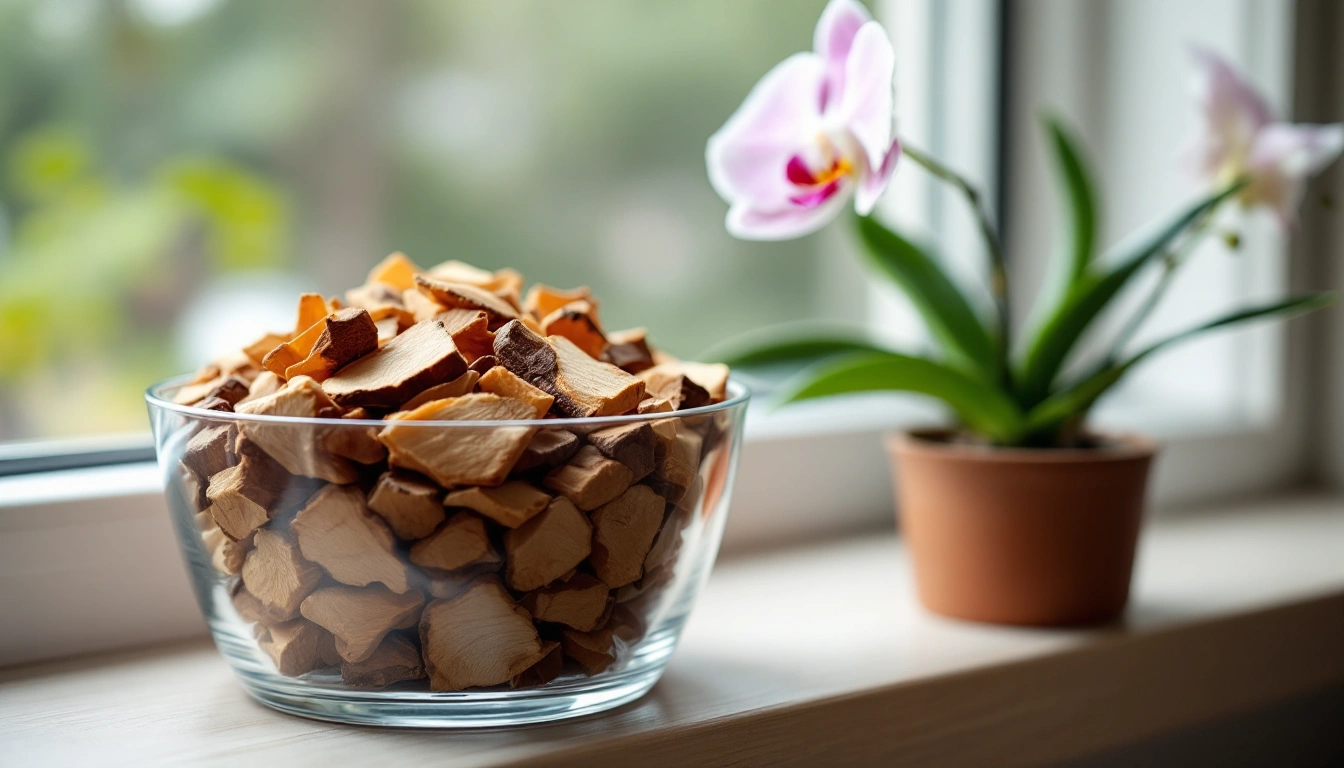
Orchiata orchid bark is a brand of New Zealand pine bark. Makers sort the chips into set sizes for use as an orchid growing medium. Growers value its steady grades, slow rate of decay and open form. Those traits can suit orchids that grow with their roots in air.
What orchiata bark is
Orchiata comes from New Zealand pine bark. Each grade has chips in a close size range instead of a random mix. Chip size changes the gaps between pieces. Large gaps let in more air and tend to dry sooner. Small gaps hold water near roots for longer.
The product is one type of orchid bark. Its brand points to the source and grade system, not a new base material. It is still pine bark, like many other orchid products. Compare chip size and bag quality as well as the name.
Why growers choose graded bark for orchids
Many common orchids, such as Phalaenopsis and Cattleya, are epiphytes. In the wild, they grow on trees rather than in soil. Their roots get short periods of water, then dry in open air. Fine potting soil tends to stay wet and dense by comparison.
Bark copies that wet-and-dry pattern better. Its coarse pieces leave air around the roots. Pine bark holds less water than peat-rich soil, so the pot can dry between drinks. The final speed still depends on chip size, pot size and room conditions.
Choosing a grade size
Bark products, including orchiata, are typically sold in a few grade sizes:
- Fine grade suits small orchids, young plants and thin roots. Small gaps keep water near roots for longer.
- Medium grade is a common choice for mature Phalaenopsis and orchids with similar roots.
- Coarse grade suits large plants with thick roots. Wide gaps drain and dry faster than fine bark.
Match the grade to the root size, not just the size of the leaves. Also account for how fast the pot dries in your home.
Using orchiata bark
Rinse the bark before use to remove dust and loose bits. Some growers also soak dry chips so they start with a little water in them. Let spare water drain before potting.
The bark can be used on its own. A grower may add some perlite or charcoal to change the air space and weight. Do not turn it into a fine soil blend, since that can fill the gaps the orchid roots need.
Repotting timeline
Most orchid growers plan to repot every one to two years. Slow decay does not remove the need to check the roots. The plant may outgrow its pot, or old bark may begin to soften and hold more water.
Look at the roots and chips rather than using age alone. Soft bark, a sour smell or slow drying can point to a needed change. A bag of orchid bark in the right grade is a sound start even when it is not the Orchiata brand.
Frequently asked questions
Orchiata is one choice in the wider orchid bark group. Its main points are its source and steady chip grades. For home growers, fit matters more than the name. Choose a grade for the roots, watch how fast it dries and replace the bark when it starts to break down.
FAQ
What plants is orchiata orchid bark used for?
It's used mainly as a potting substrate for orchids, particularly epiphytic types like phalaenopsis and cattleya, though some growers also use it in chunky mixes for aroids like monstera.
Do I need to rinse orchiata bark before using it?
Rinsing before use is common practice to remove fine dust and any loose debris, and some growers also soak it briefly so the bark is pre-moistened before potting.
How long does orchiata bark last before breaking down?
Pine bark is generally slower to break down than some softer bark products, though the exact lifespan depends on watering frequency and conditions. Most orchid growers plan to repot every one to two years regardless of bark condition.
What grade size should I choose for my orchid?
Smaller orchids and those with fine root systems generally do better with a finer grade, while larger orchids with thicker roots can use a coarser, chunkier grade.