
Potting & Soil Mixes
Chunky Perlite: What It's For and When to Use It
The short answer
Chunky perlite is a coarser, larger-grade version of expanded perlite, used when a mix needs more aeration and drainage than standard fine perlite provides, especially for aroids, succulents, and chunky bark-based blends.
Last updated September 2026
| What it is | Expanded volcanic glass in a coarser grade than standard fine perlite |
|---|---|
| Main benefit | Creates larger air pockets, improving drainage and root aeration |
| Common uses | Aroid mixes, succulent and cactus blends, chunky orchid-style mixes |
| Vs. fine perlite | Less likely to compact or wash to the surface, but takes up more visual space per particle |
| Handling note | Perlite dust can irritate lungs and eyes; dampen it before handling in an unventilated space |
Scroll for more →
What's covered7
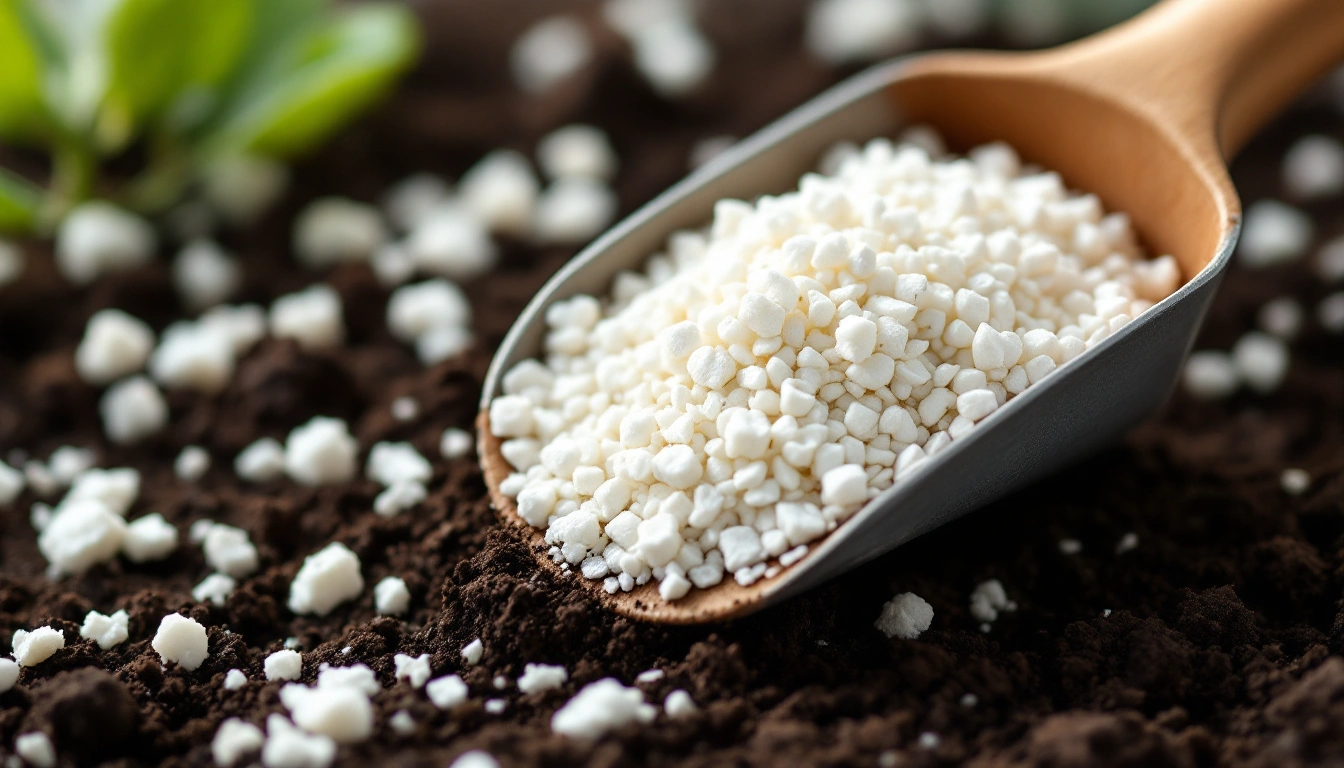
Chunky perlite is expanded volcanic glass in large pieces. It is the same material as fine perlite, but it has been sorted by size. The coarse pieces form wide air gaps in potting soil. Growers use it in mixes for aroids, succulents, cacti and orchids.
What makes it "chunky"
Perlite starts as volcanic glass. Heat makes it expand into light pieces, much like corn popping. Makers then sort those pieces by size. Fine grades suit many general mixes. A chunky grade keeps the large pieces, which leave more open space around roots.
Large pieces can make a mix drain faster than a fine grade would. They also resist packing down between other parts. Chunky perlite may still float because it is very light. Its larger size makes it less likely to wash out than fine dust and chips.
Where chunky perlite gets used
Aroid mixes. Monstera, philodendron and pothos often suit a loose blend. Bark, coco coir and chunky perlite can hold water while leaving air near the roots.
Succulent and cactus blends. A coarse grade can speed drain flow. It also helps a fine base resist packing down as it ages.
Orchid-style mixes. Many orchids grow in bark with little fine soil. Large perlite pieces fit between the bark and add air without holding much water.
Chunky perlite vs. fine perlite
Fine perlite is common in bagged all-purpose soil. It spreads through fine soil with ease and suits many plants. Choose a chunky grade when you want larger gaps or a clear, coarse form. That may help in an aroid or orchid mix with bark.
The large white pieces are easy to see as you stir. This makes it simple to judge whether the mix is even. You can also pick out some pieces if a small test batch drains too fast.
Chunky perlite vs. pumice
Both materials create air gaps and help water drain. Pumice is heavier and tends to stay in place. Chunky perlite is lighter, so a large pot is easier to lift. It is also easy to spot in dark soil. A bag of chunky perlite is a useful starting point when a home recipe calls for either material.
Weight can guide the choice. Use pumice when you want more mass and less float. Use perlite when pot weight, cost or easy visual checks matter more.
Handling notes
Dry perlite can release dust when you pour it. The dust may irritate eyes and lungs. Dampen the bag contents with a light spray before you mix. Work outside or in a place with good air flow. Avoid breathing close to the bag as you pour. These steps apply to both fine and chunky grades.
Chunky perlite vs. horticultural grit or gravel
Grit and gravel also add a coarse feel to soil. They differ from perlite in weight and form. Perlite is light and has small pores. It can take up a little water while still draining well. Grit and gravel are solid, heavy pieces that hold almost no water.
That weight matters in a large pot or hanging basket. Perlite keeps the full pot easier to move. Gravel can add useful mass to a pot that tips, but it is not a direct match for every recipe.
How much to add to a mix
There is no one ratio for every plant. The base mix and pot both affect how fast water leaves. For aroids or succulents, a common starting point is 20 to 30 percent chunky perlite by volume. Blend it into bark, coir or potting soil.
Test a small pot before changing a whole batch. Add more perlite if water sits on top or the mix stays wet for days. Use less if the pot turns dry too soon. A drain hole is still required because no soil part can empty a sealed pot.
FAQ
What's the difference between chunky perlite and regular perlite?
It's the same material, expanded volcanic glass, just sorted into a coarser particle size. Regular or fine perlite has smaller pieces that work well in general potting mixes, while chunky perlite's larger pieces create bigger air pockets and are less prone to floating to the surface.
What plants benefit most from chunky perlite?
Aroids like monstera and philodendron, succulents and cacti, and orchids grown in a chunky, bark-based mix all benefit from the extra aeration chunky perlite provides, since these plants are prone to root rot in denser mixes.
Can I use chunky perlite instead of pumice?
In most mixes, yes. Both create air pockets and improve drainage in similar ways. Pumice is heavier and less prone to floating, while chunky perlite is generally lighter and cheaper - either works for most home growers.
Is chunky perlite safe to handle?
Yes, with one caution: dry perlite can release fine dust that irritates lungs and eyes when handled in bulk. Lightly dampening it before mixing, or working in a ventilated space, reduces that risk.