
Potting & Soil Mixes
Cactus Potting Mix for Snake Plant: Does It Work?
The short answer
Cactus potting mix works well for snake plants, since snake plants store water in their thick leaves and need fast-draining soil that dries out between waterings, much like a true cactus or succulent.
Last updated September 2026
| Why it fits | Snake plants store water in their leaves and rot easily in soggy soil, similar to cacti and succulents |
|---|---|
| Typical mix | Potting soil cut with perlite, pumice, or coarse sand, roughly 1 part mineral to 2–3 parts soil |
| Watering pattern | Let the mix dry out fully, then water thoroughly; wait longer in cooler, low-light conditions |
| Biggest risk | Overwatering in a mix that stays wet too long is the leading cause of snake plant problems |
| Signs of a good fit | Water drains within seconds and the mix feels dry again within several days |
Scroll for more →
What's covered14
- Why snake plants behave like succulents underground
- What's in a cactus mix, and why it fits
- Does a snake plant need anything different from a true cactus?
- How to water a snake plant in cactus mix
- Signs the mix is working
- Propagating snake plants in cactus mix
- Signs the mix is too wet for a snake plant
- Buying a mix
- Pot choice matters too
- Repotting a snake plant into cactus mix, step by step
- Adjusting the mix for different snake plant varieties
- Fertilizing a snake plant in cactus mix
- Light and its effect on watering frequency
- When to repot
Your choice of cactus potting mix for snake plant affects water and air around the roots. Compare cactus potting mix for snake plant by drainage, water storage, and fit for the plant. Use this cactus potting mix for snake plant guide to see the main trade-offs.
- A cactus potting mix for snake plant care works well. Snake plants store water in their thick, upright leaves, much like a succulent stores water in its stems or leaves, and they need soil that dries out between waterings rather than staying damp. A fast-draining cactus and succulent mix does exactly that.
Why snake plants behave like succulents underground
Snake plants (Dracaena trifasciata, formerly Sansevieria) come from arid and semi-arid regions of West Africa. Their thick, waxy leaves store water for dry stretches, and their root systems are built to handle periods without water far better than they handle constantly wet soil. This is the same basic survival strategy as a cactus or succulent, even though a snake plant doesn't look like either one above ground.
The practical result is that snake plants and true succulents share the same core soil requirement: fast drainage, and a mix that dries out fully rather than holding moisture for days at a time.
What's in a cactus mix, and why it fits
- A standard cactus and succulent mix combines a base of potting soil with a mineral material - perlite, pumice, or coarse sand - usually in a ratio of about one part mineral to two or three parts soil. The mineral portion creates air gaps that let water drain through quickly instead of pooling, and the whole mix dries out within a few days instead of staying damp for a week or more.
For a snake plant, this means:
- Water passes through and away from the roots quickly after each watering.
- The mix dries out between waterings, matching the long dry spells snake plants are built to tolerate.
- The risk of root rot, the most common problem snake plant owners run into, drops significantly compared to a moisture-retentive all-purpose mix.
Does a snake plant need anything different from a true cactus?
Snake plants tolerate slightly more organic content than a true desert cactus, since they're not adapted to quite as extreme a climate. Some growers add a bit more potting soil or a small amount of compost to a standard cactus mix to give slightly more moisture retention and nutrient content, though it's not a requirement - plain cactus and succulent mix works well for the vast majority of snake plants without any adjustment.
If you're repotting a snake plant into a mix originally built for a leaner desert cactus, it's reasonable to loosen the ratio slightly toward more organic content, but the difference is minor compared to the difference between cactus mix and a standard, moisture-retentive potting soil.
How to water a snake plant in cactus mix
Because the mix drains and dries fast, watering should be driven by how dry the soil actually is, not a fixed calendar. A general approach:
Check the mix by touch a couple of inches down, or use a moisture meter, before watering.
Water thoroughly when the mix has dried out fully, letting water run through the drainage hole.
Expect longer stretches between waterings in cooler weather or lower light, since the plant is using water more slowly.
Snake plants tolerate being underwatered far better than being overwatered. When timing is uncertain, waiting a few extra days is almost always the safer choice.
Signs the mix is working
- Water exits the drainage hole within seconds of watering, not minutes.
- The surface and the mix a few inches down feel dry within several days to a couple of weeks, depending on conditions.
- Leaves stay firm and upright, without soft, mushy, or discolored patches near the base - a common early sign of rot starting in soil that's stayed too wet.
Propagating snake plants in cactus mix
- Snake plants are commonly propagated from leaf cuttings or by dividing an established plant's rhizome, and cactus mix suits both methods well. A fresh cutting or division is especially vulnerable to rot before it's developed new roots, so a lean, fast-draining mix reduces the risk of the cut end sitting in damp conditions while it's trying to callus and root. Keeping a new cutting on the drier side, watering lightly only once the mix is fully dry, generally produces better results than treating it like an established plant that can handle more frequent watering.
Signs the mix is too wet for a snake plant
The mix still feels damp a week or more after watering.
Leaves develop soft, yellowish, or mushy sections, especially near where they meet the soil.
A sour or rotten smell comes from the pot, which usually means decay has started at the roots or base of the plant.
If you see these signs, letting the current mix dry out fully before watering again is the first step. If the plant doesn't improve, repotting into fresh, faster-draining mix and trimming away any soft or blackened roots gives it the best chance to recover.
Buying a mix
- A bagged cactus and succulent mix is the simplest choice for a snake plant and needs no adjustment for most home growers. a bag of cactus and succulent potting mix works straight out of the bag for repotting a snake plant, whether it's a first repot after bringing the plant home or a routine refresh every year or two.
Pot choice matters too
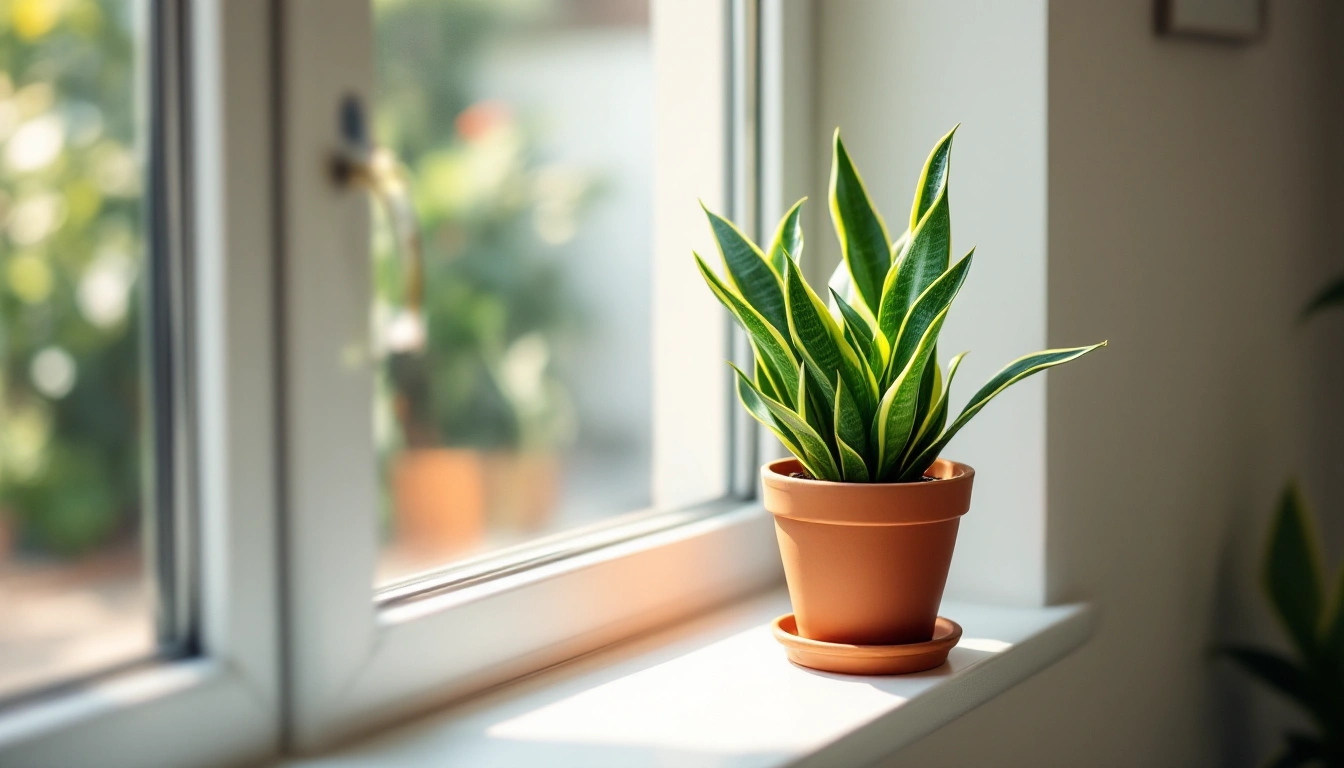
A fast-draining mix works best paired with a pot that doesn't work against it. A container with a drainage hole is close to non-negotiable for a snake plant in cactus mix, since without one, water has nowhere to go no matter how well-formulated the mix is above it. Terracotta and other unglazed pots add a further benefit, letting some moisture evaporate through the pot's walls, which helps the mix dry a bit faster than it would in a sealed plastic or glazed ceramic pot.
Sizing matters as well. Snake plants are often potted a little snug relative to their root system, which is generally fine and even preferable - a large pot with a lot of mix around a comparatively small root ball holds moisture longer in the middle, giving rot more opportunity to develop before the roots can dry out.
Repotting a snake plant into cactus mix, step by step
- Water sparingly beforehand or not at all. A slightly dry plant is easier to handle and less prone to root damage during the move.
- Remove the plant from its current pot and gently loosen or remove as much of the old soil as comes away without excessive force.
- Inspect the roots and the rhizome (the thick underground stem snake plants grow from) for firm, light-colored tissue. Dark, soft, or mushy sections should be trimmed away with a clean tool.
- Add a layer of cactus mix to the new pot, position the plant, and fill in around the roots, firming gently rather than packing tightly.
- Hold off watering for several days if you trimmed any roots, giving cut tissue time to callus over before introducing moisture, which reduces the risk of new rot starting at a fresh wound.
Adjusting the mix for different snake plant varieties
- Most snake plant varieties - including the common tall, upright Sansevieria trifasciata and the shorter, rosette-forming Sansevieria trifasciata 'Hahnii' - share the same basic drainage needs and do well in the same standard cactus and succulent mix. There's little reason to formulate a different mix for one variety versus another; the differences between snake plant cultivars are mostly about size and leaf shape rather than a meaningfully different tolerance for moisture.
Fertilizing a snake plant in cactus mix
- Cactus mixes are often intentionally lean on nutrients, since true cacti generally need less feeding than fast-growing tropical plants. Snake plants are slow growers as well, so they don't need frequent fertilizing, but an occasional light feeding during the growing season - spring and summer for most indoor conditions - supports steady growth better than leaving the plant entirely unfed for years. A diluted, balanced houseplant fertilizer applied a few times during the growing season is usually enough; snake plants rarely need the frequent feeding schedule that faster-growing houseplants benefit from.
Light and its effect on watering frequency
- Snake plants tolerate a wide range of light conditions, from bright indirect light to fairly low light, which is part of why they're such a common low-maintenance houseplant. That range matters for how the cactus mix behaves in practice: in brighter, warmer spots, the mix dries out faster and can handle slightly more frequent watering, while in lower light, the plant uses water more slowly and the same mix can stay damp for considerably longer after each watering. Adjusting how often you check for dryness based on the plant's actual light conditions, rather than assuming a fixed schedule across different rooms, keeps the mix from staying wet longer than the plant wants regardless of where it's kept.
When to repot
- Snake plants are slow growers and don't need frequent repotting, but the mix itself breaks down over time even if the plant isn't outgrowing its pot. Watch for the mix compacting, draining more slowly than it used to, or the plant looking unhealthy with no other clear cause - all signs it's time to refresh into new cactus and succulent mix.
FAQ
Can I use pure cactus mix for a snake plant, or does it need anything added?
Straight cactus mix works fine for most snake plants. Some growers add a little extra potting soil or compost to give slightly more moisture retention and nutrients, since snake plants tolerate a bit more organic content than a true desert cactus, but it's not required.
Will a snake plant grow slower in cactus mix than in regular potting soil?
Not necessarily. Snake plants are naturally slow growers regardless of mix, and a lean, fast-draining mix mainly protects against overwatering rather than limiting growth. Regular potting soil that stays too wet is more likely to cause problems than slow growth from a lean mix.
How often should I water a snake plant in cactus mix?
There's no fixed schedule - water only once the mix has dried out fully, which might be every one to three weeks depending on light, temperature, and pot size. Checking by touch or with a moisture meter works better than watering on a calendar.
What's the biggest mistake people make potting snake plants?
Overwatering in a mix that holds too much moisture. Snake plants tolerate long dry spells far better than they tolerate wet soil, so when in doubt, it's safer to wait longer between waterings than to water on a fixed schedule.