
Potting & Soil Mixes
Wax Plant (Hoya) Growing Guide
The short answer
Wax plants (Hoya carnosa and close relatives) need bright indirect light, a fast-draining potting mix with coarse material, a wet-dry watering cycle, and indoor temperatures mostly between about 65 and 80°F, with cuttings rooted in water or a light mix once a node is exposed.
Last updated November 2026
| Light | Bright indirect year-round (NC State Extension) |
|---|---|
| Indoor temps | 65–80°F typical indoors (Iowa State Extension) |
| Day and night | 70–75°F day, 60–65°F night (PlantTalk Colorado) |
| Mix type | Loose, fast-draining, high organic matter (NC State Extension) |
| Guide reviewed | Iowa State Extension Hoyas page, February 2026 |
Scroll for more →
What's covered9
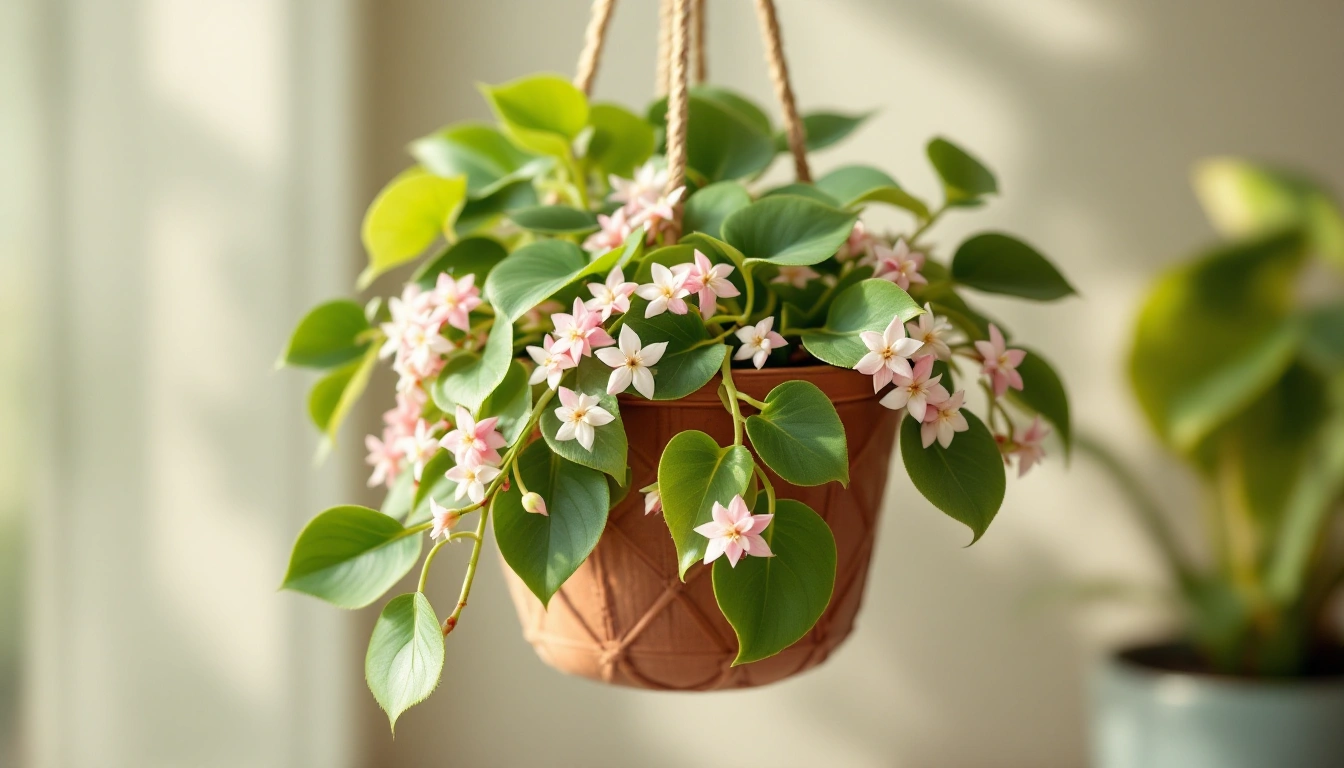
Wax plants (Hoya) grow best in bright indirect light, a loose organic mix that drains well, and warm stable room temperatures mostly between about 65 and 80°F. Set propagation cuttings so a node touches water or a light mix. Hoya carnosa is the familiar wax plant: a trailing, vining plant with thick leathery leaves and umbels of pink and white, star-shaped flowers when the plant is mature and well lit.
What wax plant is
- NC State Extension describes wax plant as an epiphytic vine native to Southeast Asia, Japan, and Taiwan, with opposite, ovate, thick, leathery leaves 3 to 6 inches long. Flower clusters are umbels of pink and white star-shaped blooms on mature plants.
- Iowa State Extension places the genus in the dogbane family (Apocynaceae) alongside milkweed and oleander. The genus includes many tropical species; H. carnosa is the classic forgiving houseplant with medium-green, leathery leaves and fragrant evening flowers when grown in bright, indirect light.
- Wax plants climb or trail, so they suit hanging baskets, trellises, or a container on a pedestal when you want a vertical accent without a dense shrub shape.
Light for growth and flowers
- NC State Extension recommends bright indirect light year-round, with a partial-shade rating of direct sun only part of the day (about two to six hours).
- Iowa State Extension describes the same indoor target as light bright enough to cast a shadow or read by, without direct sun that can scorch leaves. It lists brighter light as the main driver when you want flowers indoors, and notes that low light leads to thin, stretched growth with little or no bloom.
- If you balance window light with a fixture, the site's full-spectrum LED grow light guide explains how to judge artificial light at the canopy rather than by room brightness alone.
Temperature and dormancy
- Iowa State Extension cites typical indoor temperatures of 65 to 80°F, says the plant does not tolerate temperatures below 55°F, and advises avoiding cool spots near windows in winter.
- PlantTalk Colorado lists indoor preferences of 70–75°F by day and 60–65°F at night for H. carnosa, with tolerance down to about 40°F when the plant is not in active growth.
- NC State Extension notes that wax plants summered outdoors on a patio should come back inside when nighttime temperatures fall below 50°F.
Potting mix and containers
- Wax plants are epiphytes in nature, so roots want air as well as moisture. NC State Extension directs growers to a loose, fast-draining potting mix high in organic matter in a container with good drainage.
- Iowa State Extension recommends a chunky home blend of potting soil with orchid bark and perlite or pumice. That is close to the site's monstera potting mix approach for epiphytic climbers and to the broader succulent potting mix ingredient guides on this site.
- Iowa State Extension says hoyas commonly flower better when slightly pot-bound. NC State Extension says the plant does not mind being pot-bound; both sources warn against jumping to an oversized pot.
- A drainage hole matters as much as mix choice. Iowa State Extension cautions that oversized containers stay wet longer, which wax plants dislike.
Watering and fertilizer
- Iowa State Extension describes a wet-dry cycle: water until the whole root zone is moist, then let the mix dry almost completely before watering again, with less water in winter or dimmer light.
- NC State Extension states plainly to let soil dry between waterings and notes that both soggy and bone-dry extremes can drop leaves.
- Iowa State Extension suggests light fertilizer at half or quarter strength during spring and summer, skipping winter rest. PlantTalk Colorado lists monthly half-strength soluble fertilizer for wax plants.
How to propagate wax plant cuttings
- Take a stem section with at least one or two nodes, as Iowa State Extension directs for reliable stem propagation.
- Remove the lowest leaves so a node can contact the rooting medium without buried foliage.
- Root the node in water, moist sphagnum, or a light propagation mix until roots form in a few weeks under warmth and good light, then pot into a small container with the same well-draining blend described above.
- For insurance when a plant is stressed, a water-rooted cutting can sit in a jar while you improve conditions on the parent plant, since Iowa State Extension lists water among acceptable rooting media.
Flowers and pruning rules
- Wax plant blooms from short spur branches (peduncles). NC State Extension and Iowa State Extension both warn not to cut off the peduncle after flowering, because the plant reblooms from the same structure. PlantTalk Colorado repeats not to remove the leafless spurs or stubs where new flowers appear each year.
- Iowa State Extension adds that moving a plant or changing water, light, or temperature while buds form can drop buds. NC State Extension notes most plants need two or three years before first flowers.
- Iowa State Extension says spent flowers should fall off naturally; do not deadhead hoya flowers in a way that removes the spur.
Related mix guides on this site
The succulent potting mix section lists ingredients you can blend into a hoya mix, while well-draining potting soil explains how to judge drainage before you pot a cutting.
Common problems tied to mix and water
- Iowa State Extension ties yellow leaves plus persistently wet soil to overwatering or poor drainage, and names mealybugs as a frequent pest in leaf axils. NC State Extension notes fungus gnats when mix stays too wet and spider mites when air is very dry. NC State Extension says cold water can shock the plant, so use room-temperature water.
FAQ
Is Hoya in the milkweed family?
Iowa State Extension places Hoya in the dogbane family (Apocynaceae) with milkweed and oleander. The NC State Plant Toolbox entry for wax plant still lists Asclepiadaceae, the older name used for the same dogbane group on that page.
What light intensity does a wax plant need indoors?
Bright indirect light, bright enough to cast a shadow without harsh direct sun. Iowa State Extension ties stronger light to better flowering indoors.
Where should the node sit when I stick a Hoya cutting?
Remove the lowest leaves and place a node in water, moist sphagnum, or a light propagation mix until roots form, then pot into a well-draining blend.
What temperature keeps a Hoya growing and blooming?
Iowa State Extension cites 65–80°F for typical indoor growing. PlantTalk Colorado lists 70–75°F by day and 60–65°F at night for wax plants.
What potting mix should I use for a wax plant?
NC State Extension calls for a loose, fast-draining mix high in organic matter. Iowa State Extension suggests potting soil blended with orchid bark and perlite or pumice, similar to the site's [mixing perlite with potting soil](/succulent-potting-mix/mixing-perlite-with-potting-soil/) guidance.
Can I root a Hoya cutting in a jar of water?
Yes. Iowa State Extension lists water as an acceptable rooting medium after lower leaves are removed so a node contacts the water.