
Potting & Soil Mixes
Soil Test Kits: Which Type Fits Your Garden?
The short answer
Use a mail-in lab test when you need fertilizer or lime amounts for a garden bed. Home chemical kits, strips and probe meters help you screen pH or spot-check a problem area, but they do not replace a lab report on a proper composite sample.
Last updated November 2026
| Mail-in lab kit | Mixed sample shipped; lab reports pH and nutrients |
|---|---|
| Chemical color kit | Soil plus reagent; match color to a chart |
| Test strips | Dip strip in soil slurry; read a color range |
| Probe meter | Probes in moist soil; reads pH or moisture |
| Typical garden pH target | 6.0–6.5 for most vegetables (Clemson) |
Scroll for more →
What's covered8
A home soil test kit screens pH or nutrients between full lab tests. When you need lime or fertilizer amounts for a bed, mail a mixed sample to a lab. Color kits, strips and probe meters help you spot acidic or alkaline soil before you amend.
Testing shows what your ground already holds. That matters when you plan a fruit planting, or mix garden soil with potting soil for containers. Clemson Extension notes that soil high in phosphorus or calcium may already sit in the correct pH range, so blind lime or fertilizer can upset plant health.
What soil test kit types measure
Home kits fall into four common groups. None of them replaces careful sampling, but each answers a different question.
| Kit type | What it can show |
|---|---|
| Mail-in lab kit | pH, macro- and micro-nutrients, lime and fertilizer notes |
| Chemical color kit | pH and sometimes N, P, K by color match |
| Test strips | pH or nutrients as a color band |
| Probe meter | pH, moisture or light in one spot |
Scroll for more →
Limits differ by kit. A mail-in lab report depends on how well you mixed the composite sample; Clemson Extension describes results arriving within about seven to fourteen days. Nitrogen moves in soil so levels are hard to pin down at home. Strips show a range on the chart, not a lab value. A probe meter reads one depth and one wet spot at a time.
Clemson Extension reports that nitrogen testing is not recommended because the levels of available nitrogen are variable due to its mobility in the soil. Home color kits face the same issue for nitrogen.
Mail-in laboratory kits
A mail-in kit is a sample bag, instructions and a prepaid mailer to an analytical lab. You still collect and mix the soil yourself. Clemson Extension lists pH, phosphorus, potassium, calcium, magnesium, zinc, manganese, copper and boron on a standard report, plus fertilizer and lime suggestions for the crops you name.
Use this route when you need a full soil profile, when you plan a new orchard or vegetable block, or when you need amendment rates before spending on lime or fertilizer. Allow time for shipping and lab work. Clemson Extension describes results arriving within about seven to fourteen days.
Chemical color kits
Chemical kits use small amounts of soil, water and a colored reagent in a tube or vial. After a set wait time, you compare the liquid color to a printed chart. Some kits bundle separate tests for pH, nitrogen, phosphorus and potassium.
These kits work best as a quick baseline when you already understand color matching. Clemson Extension treats laboratory testing as the path for fertilizer planning. Keep tools clean so fertilizer or pesticide residue on a trowel does not skew the next test.
Test strips
Strips use the same idea in a paper format. Mix soil with water as the strip directions state, dip the strip, then match the pad to a chart. Cornell Cooperative Extension lists pH papers with vinegar, baking soda and red cabbage tests as home options.
Read the result as a range on the chart, not an exact number. Strips do not measure every nutrient a vegetable garden may need. They can still tell you whether soil trends acidic or alkaline enough to check against crop needs.
Probe meters
Probe meters push two metal rods into moist soil. A dial or screen shows pH, and some units also claim moisture or light readings. Cornell Cooperative Extension notes that, if available, a pH meter can measure pH most accurately.
These meters sample one spot at one depth. Wipe probes after each use. Walk the area and average conditions in your head, or take several readings and note the spread. Repeat on a dry day and after a light rain to see how much the meter shifts with moisture.
Collect a sample before you open any kit
A kit is only as good as the soil you put in it. Clemson and Cornell Extension both recommend these steps for lawn and garden areas:
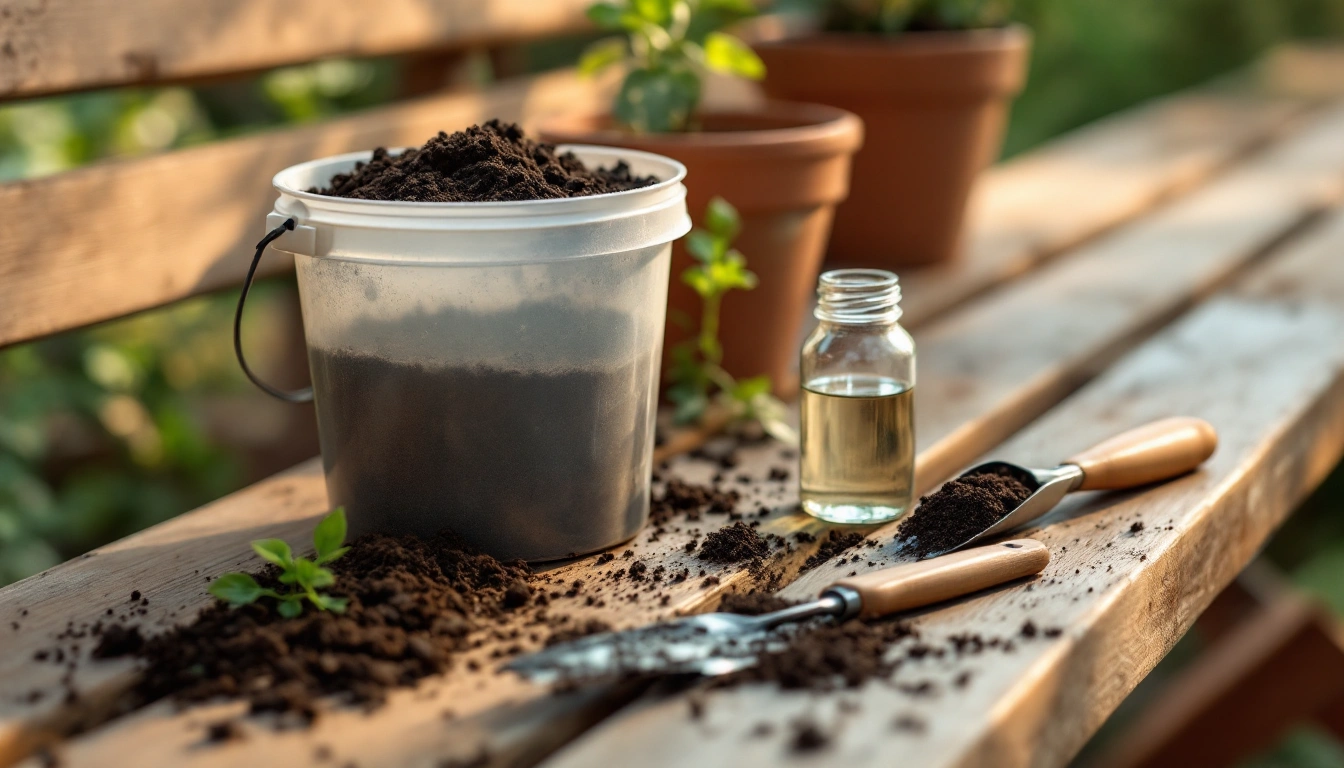
- Pull eight to ten cores from the same use zone (one vegetable bed, one lawn, one shrub border).
- Sample from the surface down to six inches in garden beds. For lawn, sample only the top two to four inches.
- Place cores in a clean plastic bucket without fertilizer or lime on the tools.
- Mix the cores thoroughly into one composite sample for that zone.
- Keep wet, dry, fertilized and limed areas separate. Problem patches get their own composite.
- Submit at least about two cups of the mixed sample, or the amount your lab or kit instructions list.
Cornell Cooperative Extension also recommends sampling when soil is dry to moist rather than saturated, and mixing thoroughly before testing or mailing.
For texture or drainage clues without a kit, use our at-home soil tests and jar texture calculator. That tool does not replace nutrient testing.
Soil pH and what you plant
Soil pH changes which nutrients stay available. Clemson Extension lists acidic ranges near 5.0 to 5.5 for azaleas, rhododendrons, blueberries and conifers. Most vegetables, turf and ornamentals prefer slightly acidic soil around 6.0 to 6.5. Cornell Cooperative Extension cites about 6.2 to 7.2 as a broad nutrient availability range for many crops, with potatoes and blueberries lower.
A home strip or probe reading can screen pH before you commit to a big planting. If you intend to grow crops that prefer near-neutral pH, a laboratory report tells you how much lime to add and how long pelletized limestone may take to react, as Clemson Extension describes.
Once you know what the ground needs, match amendments to your project. Container plants depend on DIY potting soil or bagged mixes from the succulent potting mix board rather than raw yard soil alone. A yard test tells you about mineral soil. It does not describe peat, bark or perlite in a finished container mix.
Pick a kit type for your goal
| If you want to… | Start with… |
|---|---|
| Set lime and fertilizer rates for a new bed | Mail-in lab test on a composite sample |
| See whether soil trends very acidic or alkaline | pH strips or a clean probe meter |
| Track container moisture while learning pH | Probe meter, plus a drainage check on the pot |
| Screen N, P and K before calling a lab | Chemical color kit, then confirm with a lab if results look low or high |
Scroll for more →
Clemson Extension charges a nominal fee for a standard test and can help interpret results by phone.
When you only need to choose a bagged mix for pots, soil testing matters less than drainage and texture. See organic potting soil for label meaning, and keep garden minerals out of closed pots unless you blend them carefully.
FAQ
Can a soil test kit tell me exactly how much fertilizer to add?
A full laboratory report, such as those Clemson Extension describes for its Agricultural Service Lab, includes fertilizer and lime suggestions tied to the plants you list.
Are soil pH test strips accurate enough for a vegetable garden?
Strips read a color range, not a single lab number. Cornell Cooperative Extension groups them with other home pH screens. They can show whether soil trends acidic or alkaline. Clemson Extension includes fertilizer and lime suggestions on its lab reports when you need amendment rates.
Do I need a soil test kit for potting mix in a container?
Bagged potting mix is a separate product from garden soil. Clemson Extension runs a different soilless mix analysis when you send media from a container. For pots, also judge drainage in the pot itself using our well-draining potting soil guidance.
How often should I test garden soil?
Clemson Extension suggests sampling garden soil each year. Cornell's home pH guide notes that most crops do well with a new test every two to three years when you sample at a similar time of year.